About
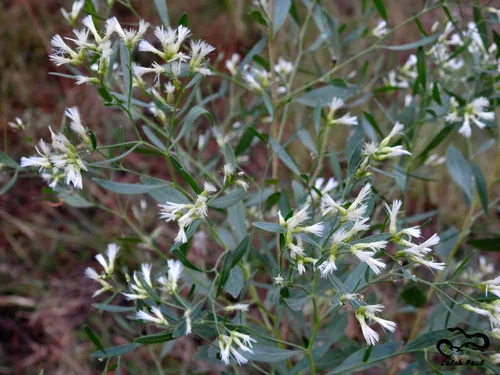
Groundsel tree (Baccharis halimifolia) is a deciduous to semi-evergreen asteraceous shrub of coastal salt marshes, ditches, and wet roadsides in eastern North America and the Caribbean, with salt-tolerant leaves and fluffy white seed heads on female plants that look like cotton exploded politely. It stabilizes berms and brackish edges where less salt-honest shrubs die of chemistry. Some regions list it as invasive in disturbed wetlands—check local guidance before planting outside native range. Full sun; tolerates brackish soils, periodic inundation, and sandy coastal berms. Freshwater wet ditches also suit it; drought on upland sand is tolerable once established but reduces lushness. Avoid deep shade. Hardy through warm-temperate freezes; tip burn follows extreme cold snaps at range edges. Seeds float on wind; sow on moist sand for restoration plugs. Hardwood cuttings stuck in wet media root readily in warm weather. For erosion control, plant before storm season; stake small liners in surge zones. Prune female clones near patios if cottony seed offends tidy aesthetics—know sex when purchasing.
Permaculture Functions
- Wildlife Attractor: Baccharis halimifolia flowers feed late-season pollinators, while female plants produce copious fluffy seed for songbirds -- dense twigs give cover to small vertebrates along brackish ditches.
- Erosion Control: Salt-tolerant roots bind sandy berms and wet road cuts where freshwater shrubs rot -- plant before storm season so stems take surge without washing out.
- Border Plant: Loose, multi-stemmed habit screens junk piles and pond pumps without formal geometry -- prune females near patios if cottony seed offends tidy aesthetics.
- Biomass: Fast, soft growth chips into salty mulch for coastal berms after storms -- avoid using salty prunings around inland acid-loving crops that hate sodium loads.
Companion Planting
Also mentioned as companions:
- Marsh Elder
- Seaside Goldenrod
Not yet profiled in PermiePortal
- Regional invasiveness — outside native range it can colonize disturbed wetlands; verify local invasive lists before planting
Threats & Pressure