About
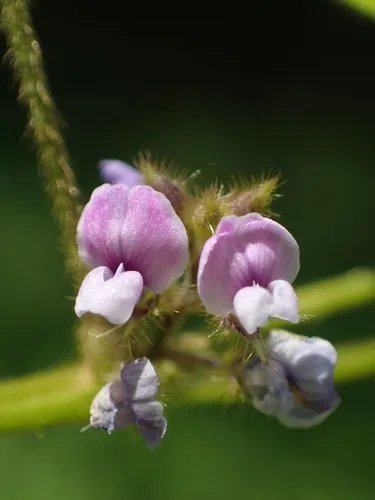
Jicama is the crunchy root that wants to be an apple but is secretly a legume vine. You eat the swollen root; you do not snack the seeds or pods like edamame unless you enjoy rotenone-era bad decisions—those parts are toxic. Treat as a long warm-season annual. Plant after soil warms; harvest before hard frost. Daylength varieties exist; short-day types tuberize when you need them at your latitude if you pick the right cultivar. Full sun, loose deep soil for chunky roots. Regular water during vine growth; ease up near harvest to reduce splitting. Soak seed overnight; direct sow or transplant carefully—roots hate disturbance once they decide to swell. Dig roots before hard frost when tops begin to yellow—toxic seeds and pods are never the snack.
Permaculture Functions
- Edible: Pachyrhizus erosus swells starchy, apple-crisp roots underground while vines stay poisonous above -- peel raw jícama for slaw; never eat foliage, flowers, or seeds because rotenone-class chemistry is not negotiable.
- Nitrogen Fixer: Rhizobia colonize roots if inoculated, trading nitrogen for sugars -- heavy nodulation can compete with tuber sizing, so balance fertility if yield matters more than green manure.
- Ground Cover: Twining stems shade soil through the warm season until harvest strips the bed -- use as a living mulch row between taller crops, then dig tubers before frost collapses vines into slime.
Companion Planting
Threats & Pressure
- Banded Cucumber Beetle
- Bean Aphid
- Bean Weevil
- Corn Earworm
- Cowpea Curculio
- Fall Armyworm
- Kudzu Bug
- Locust Borer
- Locust Leaf Miner
- Lubber Grasshopper
- Pea Moth
- Pea Weevil
- Reniform Nematode
- Root Aphid
- Soybean Looper
- Spittlebugs
- Stink Bug
- Striped Cucumber Beetle
- Aphids
- Bean Leaf Beetle
- Rootknot Nematodes
- Spotted Cucumber Beetle
- Brown Marmorated Stink Bug
- Harlequin Ladybird
- Velvetbean Caterpillar