About
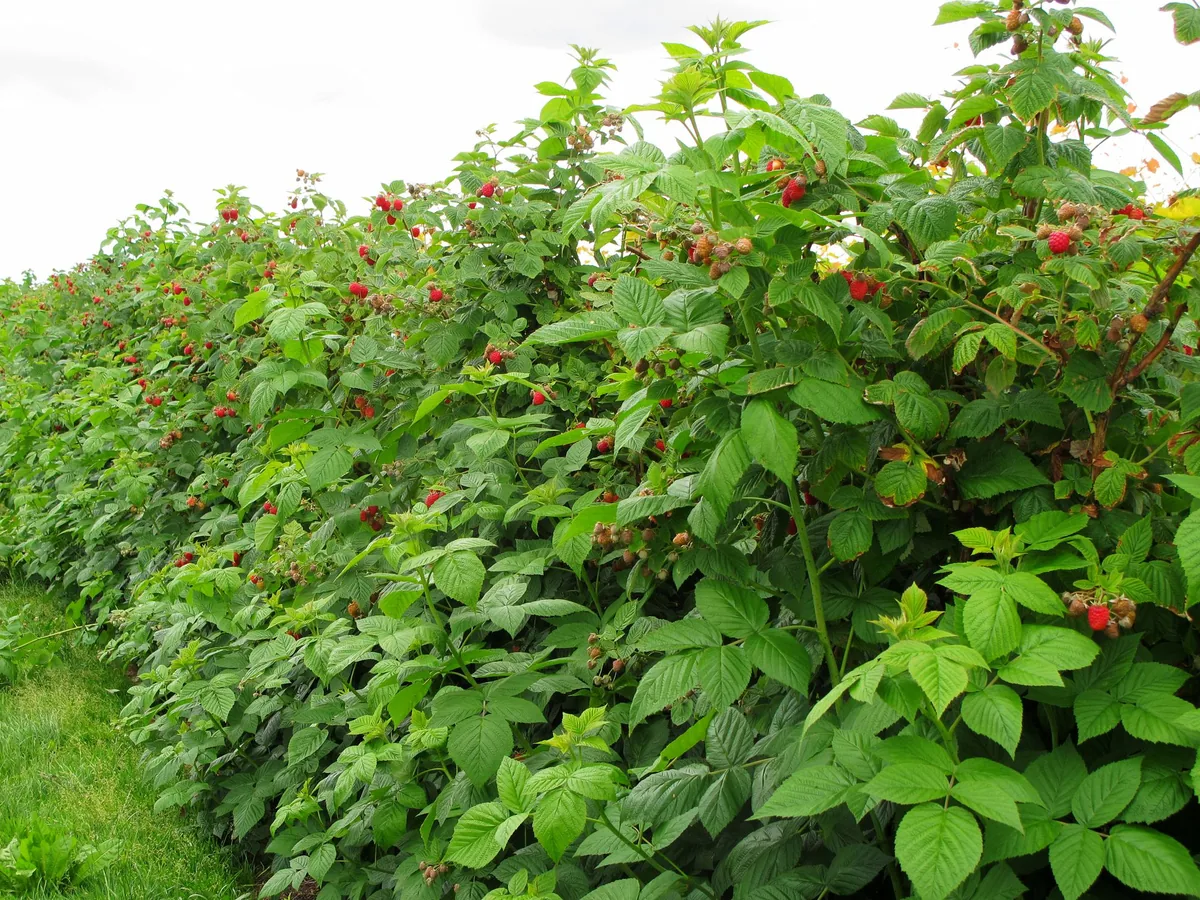
Raspberry (Rubus idaeus) is a deciduous perennial shrub that produces small, aggregate fruit composed of multiple drupelets. The plant has upright or trailing canes that can grow up to 1.8 m (6 ft) tall, and many varieties have thorny stems. It is highly valued for its sweet and tart berries, which are rich in antioxidants and vitamins. Raspberries grow best in well-draining, slightly acidic soil with high organic matter. They require a period of winter dormancy to produce fruit and thrive in regions with cool winters and mild summers. They spread via underground runners and can form dense thickets if not maintained. Prefers full sun for maximum fruit production. Requires well-draining, fertile soil with moderate moisture. Avoid overly wet or waterlogged conditions, as roots are prone to rot. Cuttings: Root cuttings taken from healthy canes can be transplanted. Suckers: New shoots that emerge from the root system can be dug up and replanted. Seeds: Less common due to slow germination and genetic variability. Fruits ripen from mid-summer to early fall, depending on variety. Harvest when berries are fully colored and easily detach from the stem. Pick regularly to encourage continued production.
Permaculture Functions
- Edible: Aggregate drupelets slip off the receptacle when sugar peaks -- summer reds for fresh eating, fall golds for freezing, and any overload cooks to seedless puree if you run it through a chinois before jam.
- Medicinal: Dried Rubus idaeus leaf is the classic European pregnancy tea herb -- use first-trimester formulas only with qualified guidance because uterine tone claims are serious business, not kitchen whimsy.
- Pollinator: Five-petaled white flowers expose nectar at the same height bumblebees prefer -- two flushes on everbearing types stretch bee work from June into October where summers stay mild.
- Wildlife Attractor: Bramble thickets give catbirds and brown thrashers thorny cover next to open pasture -- fruiting laterals at the thicket edge feed them first so inner rows stay cleaner for human picks.
- Erosion Control: Underground stolons and fibrous roots interlace on ditch banks and orchard berms where mower wheels would otherwise compact bare clay -- living canes catch snow and leaf litter that would slide off smooth soil.
Companion Planting
Threats & Pressure
- Aphids
- Apple Maggot
- Bagworm
- Blackberry Psyllid
- Borers
- Cherry Fruit Fly
- Codling Moth
- Cyclamen Mite
- Fall Webworm
- Japanese Beetles
- Lesser Peachtree Borer
- Oriental Fruit Fly
- Oriental Fruit Moth
- Peach Twig Borer
- Peachtree Borer
- Pear Psylla
- Plum Curculio
- Raspberry Beetle
- Raspberry Cane Borer
- Rose Slug
- Sparganothis Fruitworm
- Spider Mites
- Spittlebugs
- Stink Bug
- Strawberry Root Weevil
- Twig Girdlers
- Vine Weevil
- White grubs
- Chafer grubs
- Root feeding grubs
- Treehoppers
- Glass snails
- Leatherleaf slug
- Gall Mite
- Rust Mite
- Spotted Lanternfly
- Gall wasps
- Brown Marmorated Stink Bug
- Eastern Tent Caterpillar
- Harlequin Ladybird
- Tent Caterpillar
- Jumping worms