About
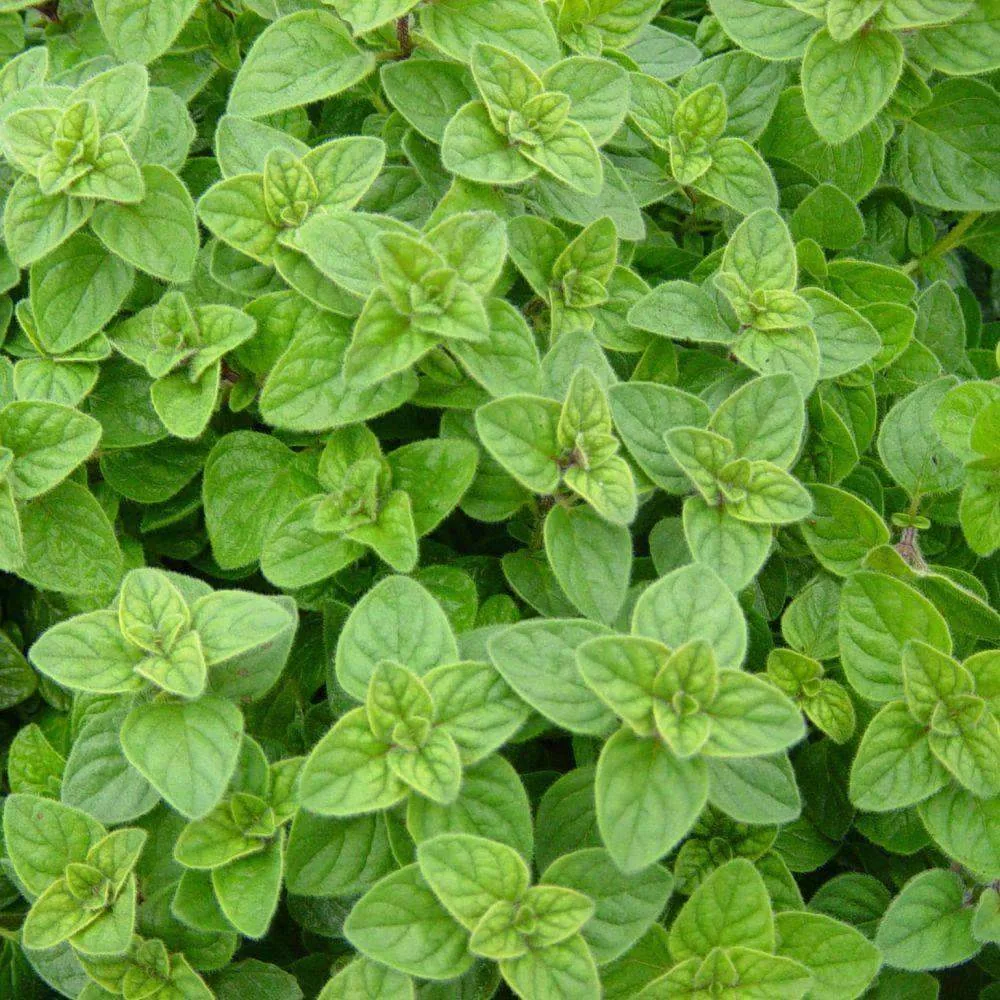
Italian oregano (*Origanum x majoricum*) is a perennial herb that combines the robust flavors of oregano and marjoram. It typically grows up to 60 cm (24 inches) tall, featuring aromatic, oval-shaped green leaves and small white to pink flowers that bloom in summer. This herb thrives in full sun to partial shade and prefers well-drained soil. It's drought-tolerant once established and can spread to form a lush ground cover. Sun: Full sun to partial shade Water: Moderate; allow soil to dry out between waterings Cuttings: Take 10 cm (4-inch) stem cuttings in spring or early summer and root them in moist soil. Division: Divide established plants in spring, ensuring each section has roots attached. Harvest leaves as needed once the plant reaches 15 cm (6 inches) in height. For optimal flavor, harvest just before the plant flowers. Regular harvesting encourages bushier growth.
Permaculture Functions
- Edible: leaves blend marjoram sweetness with oregano punch -- strip before flowering for pizza sauce, or dry bundles hung in shade so carvacrol survives winter soups.
- Medicinal: Volatile oils share antimicrobial folklore with other origanums -- use as food-medicine teas at culinary doses unless a trained herbalist pushes therapeutic extracts.
- Pollinator: Small white to pink lipped flowers feed honeybees and small solitary bees in midsummer -- let some stems bloom if seed-saving matters more than peak leaf oil.
- Wildlife Attractor: Dense low foliage shelters predatory beetles and spiders along bed edges -- pair with open flowers upslope so beneficials have both housing and nectar.
- Ground Cover: mounds edge paths while rhizomes spread into weed-suppressing mats -- shear after bloom if floppy stems annoy foot traffic, -- and keep irrigation lean so slugs do not colonize lush growth.