About
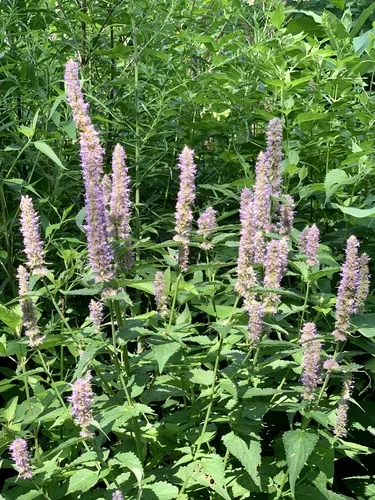
Anise hyssop is the bee bar with licorice perfume — spikes of purple-blue flowers, edible leaves for tea, and none of the corporate ‘wellness blend’ packaging. Tougher than it looks in heat if soil drains; in subtropical and tropical Americas give it airflow and avoid boggy stagnation. Self-seeds politely compared to true mint, but still check volunteers. Full sun to light shade. Moderate moisture; drought-tolerant once established but blooms harder with even water. Well-drained loam; mulch roots in summer. Seeds: surface sow; light-dependent germination. Division in spring or fall. Softwood cuttings. Snip leaves for tea before flowering for sweetest aroma. Leave late flowers for pollinators if you are not greedy.
Permaculture Functions
- Edible: Agastache foeniculum leaves and lavender-blue flowers carry sweet licorice flavor for teas, syrups, and fruit salads without true mint's stolon takeover -- snip before heavy seed set if flavor turns stemmy.
- Pollinator: Long-blooming spikes feed bumblebees, honeybees, and swallowtail butterflies during midsummer lulls -- plants stay open enough that short-tongued bees still reach nectaries.
- Medicinal: Aromatic tea traditions use leaf for mild digestive comfort -- Lamiaceae allergies and thyroid sensitivities exist, so sample small before committing therapeutic quarts.
- Border Plant: Upright 90–120 cm wands edge paths and herb spirals with tidy clumping habit -- give airflow in humid subtropics or powdery mildew arrives on dense stands.