About
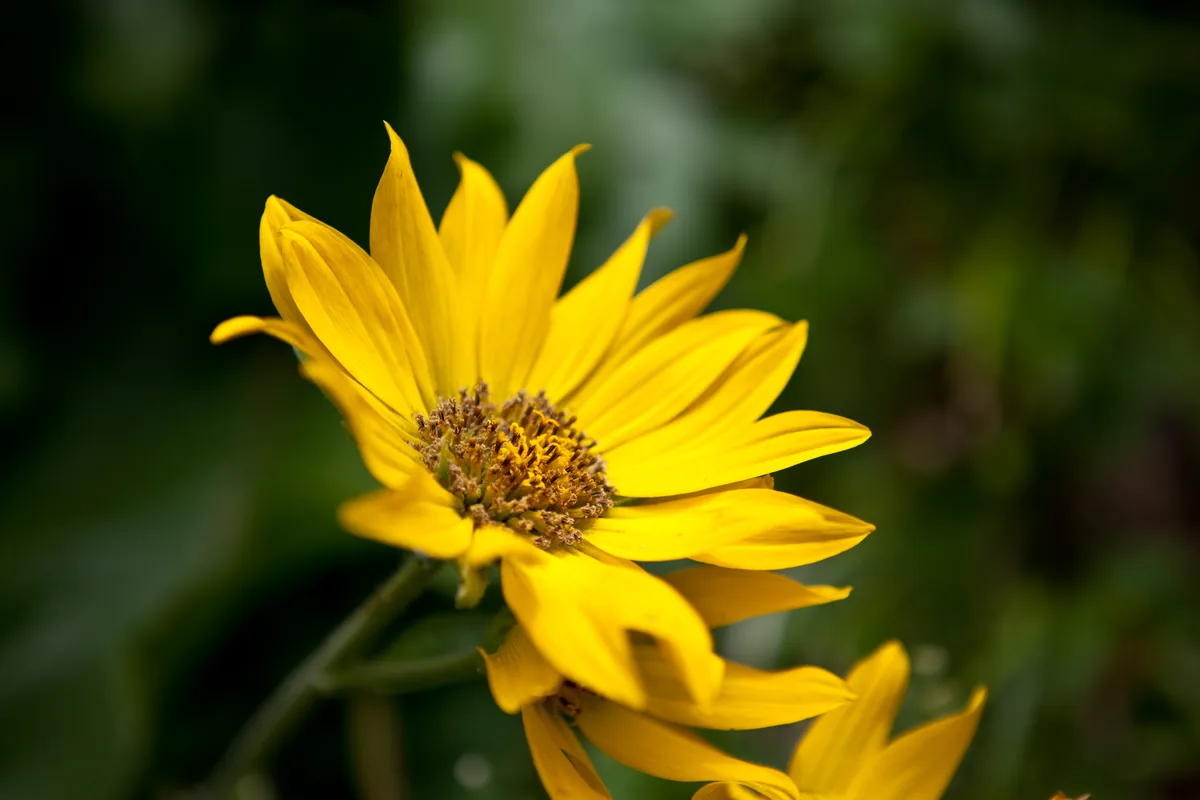
Arrowleaf balsamroot (Balsamorhiza sagittata) is a taprooted perennial sunflower relative of western North American mountains and steppes. Basal rosettes carry large, arrow-shaped, often fuzzy leaves, while spring stems push showy yellow daisy flowers that feed early pollinators; deep roots can exceed several feet and stabilize rocky slopes. subtropical and tropical Americas are outside its comfort zone for in-ground culture—low-elevation heat and relentless humidity invite rot and misery. Treat it as a specialty container or cool microclimate experiment (shade cloth, excellent drainage, deliberate dry-down) rather than a default food-forest staple in the subtropical/tropical core. Full sun in climates where summers are not tropical saunas; in Florida trials, bright morning sun with afternoon protection is saner. Sharp drainage; drought-tolerant once established—wet feet in humid air is how optimism dies. Seeds: fall sow outdoors in cold frames where winters exist; in warm zones, moist-cold stratify then sow cool. Division is possible but resents root disturbance—only for skilled hands with a sharp spade and low expectations. Traditional edible use targets roots and young leaves with cultural knowledge—do not freestyle without documentation. For seed saving, collect when heads dry and goldfinches have had their share—share the tax.
Permaculture Functions
- Edible: Balsamorhiza sagittata young leaves and large taproots enter documented Plateau and Rocky Mountain food traditions with specific preparation -- do not freestyle harvest without mentorship and certain ID among big basal rosettes.
- Pollinator: Yellow sunflower-type heads open early on dry slopes when few other forbs offer wide nectar discs -- small native bees work the shallow disc florets on still cool mornings.
- Wildlife Attractor: Mature achenes feed finches while hairy leaves host native herbivores in intact steppe webs -- leave seed heads standing if you want honest bird traffic instead of tidy deadheading.
- Erosion Control: Deep taproot anchors rocky cuts and roadfill where shallow-rooted ornamentals wash out -- pair with native bunchgrass matrix so soil does not re-erode after balsamroot senesces.
- Ornamental: Huge sage-green sagittate leaves and bright yellow blooms read as western spring drama -- skip humid lowland Florida defaults because rot and powdery mildew invite themselves without dry-down discipline.
Threats & Pressure