About
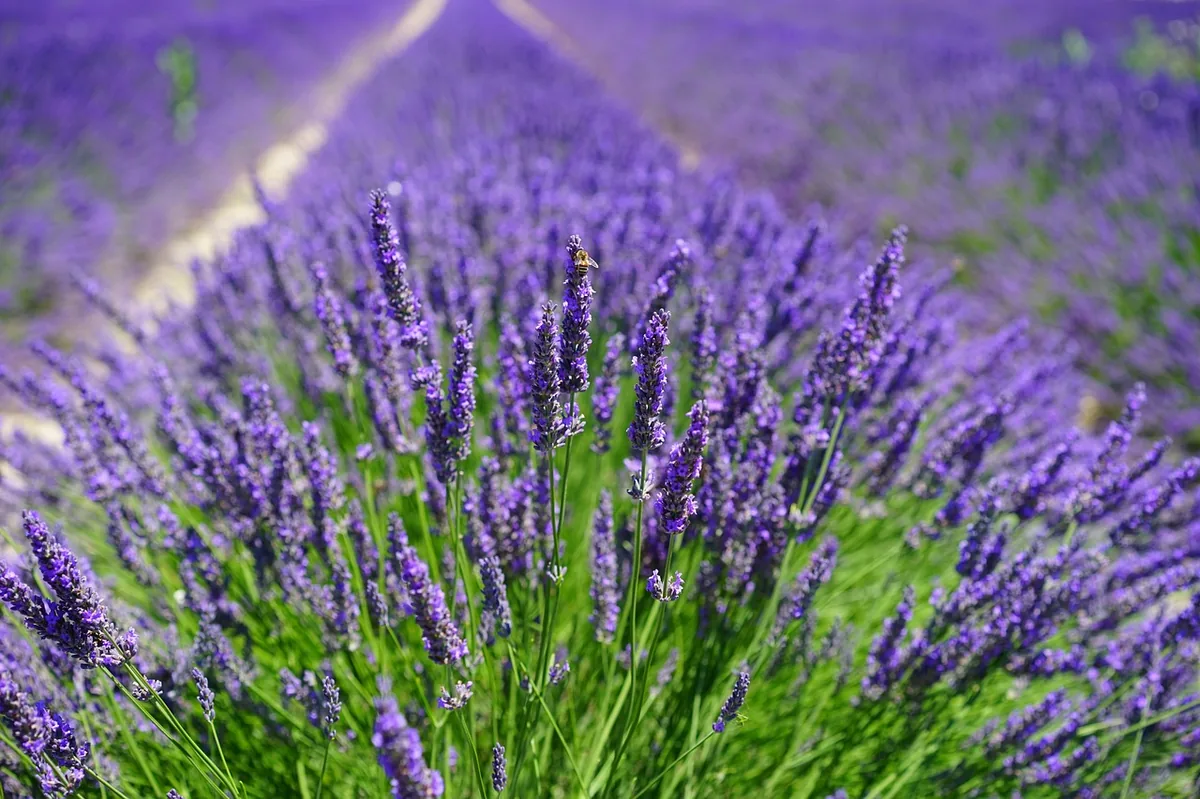
Lavender (Lavandula angustifolia) is a perennial, aromatic herb known for its fragrant purple flowers and gray-green foliage. It grows up to 60–90 cm (2–3 feet) tall and is widely cultivated for essential oil production, medicinal uses, and as an ornamental plant. This drought-tolerant plant thrives in full sun and well-drained, sandy or loamy soils. It attracts pollinators, repels certain pests, and adds beneficial organic matter to the soil when used as mulch. Requires full sun with at least 6–8 hours of direct sunlight daily. Prefers well-drained, sandy or rocky soil; does not tolerate heavy clay. Drought-tolerant once established; water sparingly to prevent root rot. Seeds: Start indoors 8–10 weeks before the last frost; germination is slow. Cuttings: Softwood cuttings in spring or hardwood cuttings in fall. Division: Established plants can be divided and replanted. Flowers should be harvested when buds are fully formed but before full bloom for the highest essential oil content. Cut stems early in the morning when oils are most concentrated. Dry in a shaded, well-ventilated area for long-term storage.
Permaculture Functions
- Medicinal: Linalool-rich flowering tops are distilled for oil or dried for sleep pillows and minor burn salves -- concentrated oil irritates skin undiluted; avoid heavy internal oil doses without trained guidance.
- Pollinator: Short-tubed purple spikes feed bumblebees and honeybees in June -- when early fruit trees have finished bloom but tomatoes are not yet flowering heavily.
- Wildlife Attractor: Finches and sparrows pick spent calyx seeds from stiff wands in autumn -- if you leave a few rows uncut for two weeks after color fades.
- Mulcher: Fine gray leaf siftings from hedge trimming compost hot in small batches and add calcium tone to alkaline beds -- under Mediterranean shrubs.
- Dynamic Accumulator: Deep roots pull calcium and silica into woody stems that show up as potash and ash minerals -- when you burn prunings legally for potash dip or soak trials.
- Border Plant: Tight hedges along south-facing paths survive snow load when planted on mound with grit -- they define herb garden geometry without shading low thyme.
- Pest Management: Sachets in wool closets confuse clothes moths -- live hedges do not replace screens for mosquitoes but reduce landing counts on patio edges in dry summer air.
Companion Planting