About
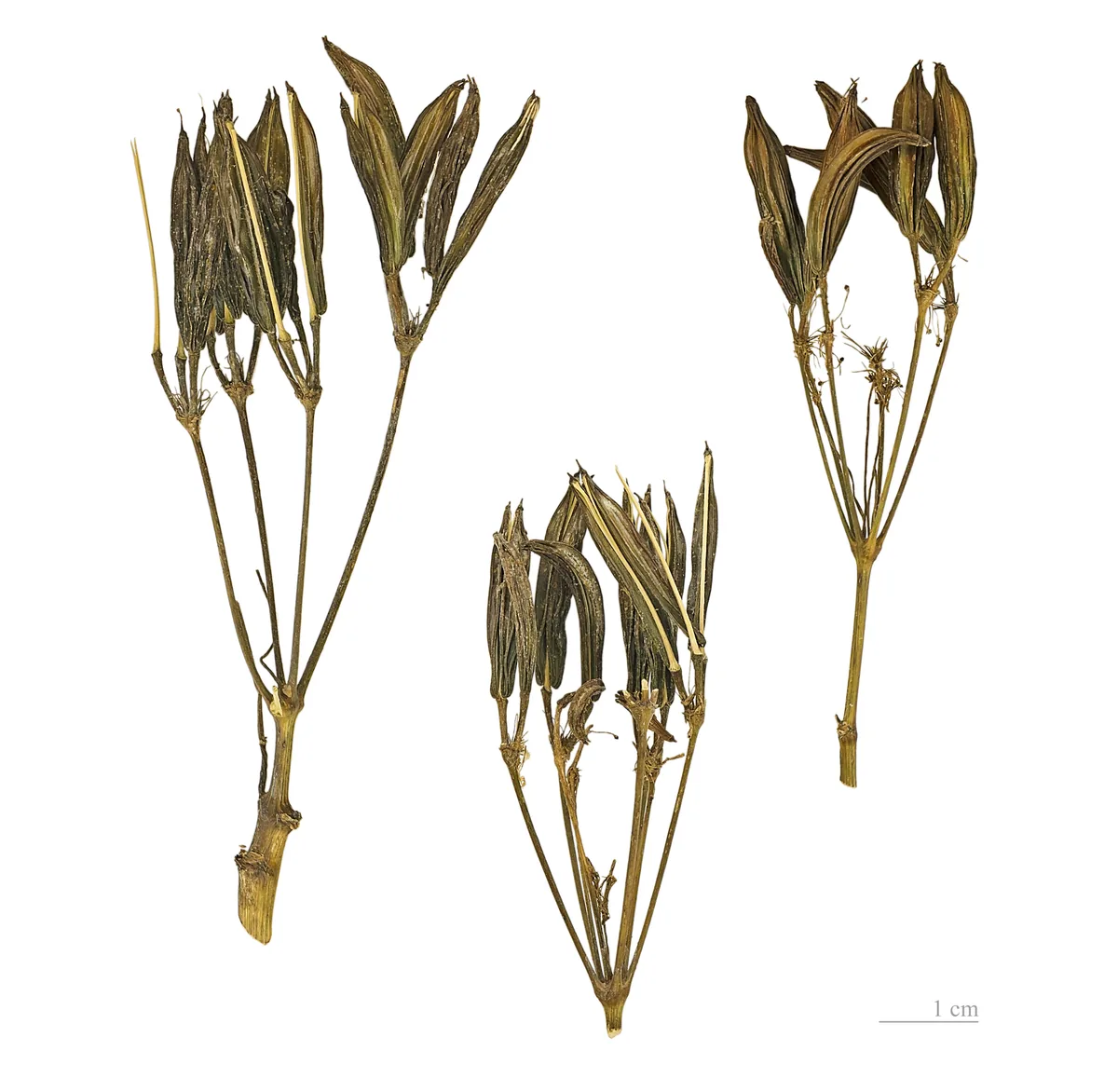
Sweet cicely is a big, soft Apiaceae perennial with ferny leaves, a gentle anise scent, and umbels of white flowers that read "Victorian cottage meets bear buffet." Leaves, unripe seeds, and roots have been used like sweet seasoning — reduces sugar need in fruit dishes say the old herbals. It prefers cool, moist summers; subtropical and tropical Americas is marginal, so plant in dappled shade with rich soil and realistic expectations. Light shade to half-day sun in hot climates. Steady moisture; mulch to keep roots cool. Deep, humus-rich loam. Fresh seed (germination drops as seed ages). Division in early spring or fall. Snip tender Sweet Cicely growth in cool mornings for best texture -- heat-stressed leaves taste like their day job. Flowers at full color for peak volatiles; seeds when pods rattle but before they self-sow across paths. Dry herbs in thin layers; deep piles steam themselves into compost.
Permaculture Functions
- Edible: Myrrhis odorata young foliage and immature seeds taste like licorice candy -- harvest before umbels brown if you want kitchen sugar reduction without stevia bitterness.
- Medicinal: Seed and root cordials anchored European digestive bitters -- verify pregnancy status before medicinal syrups because apiaceous chemistry varies by plant part.
- Pollinator: Giant white umbels broadcast pollen to short-tongued flies and solitary bees -- along cool woodland edges.
- Wildlife Attractor: Hoverfly clouds keep aphids nervous -- while caterpillars of swallowtails chew nearby forbs in the same guild.
- Border Plant: Chest-high frothy sprays back shady paths -- dies back in winter without blocking borrowed views the way evergreen shrubs would.
Threats & Pressure