About
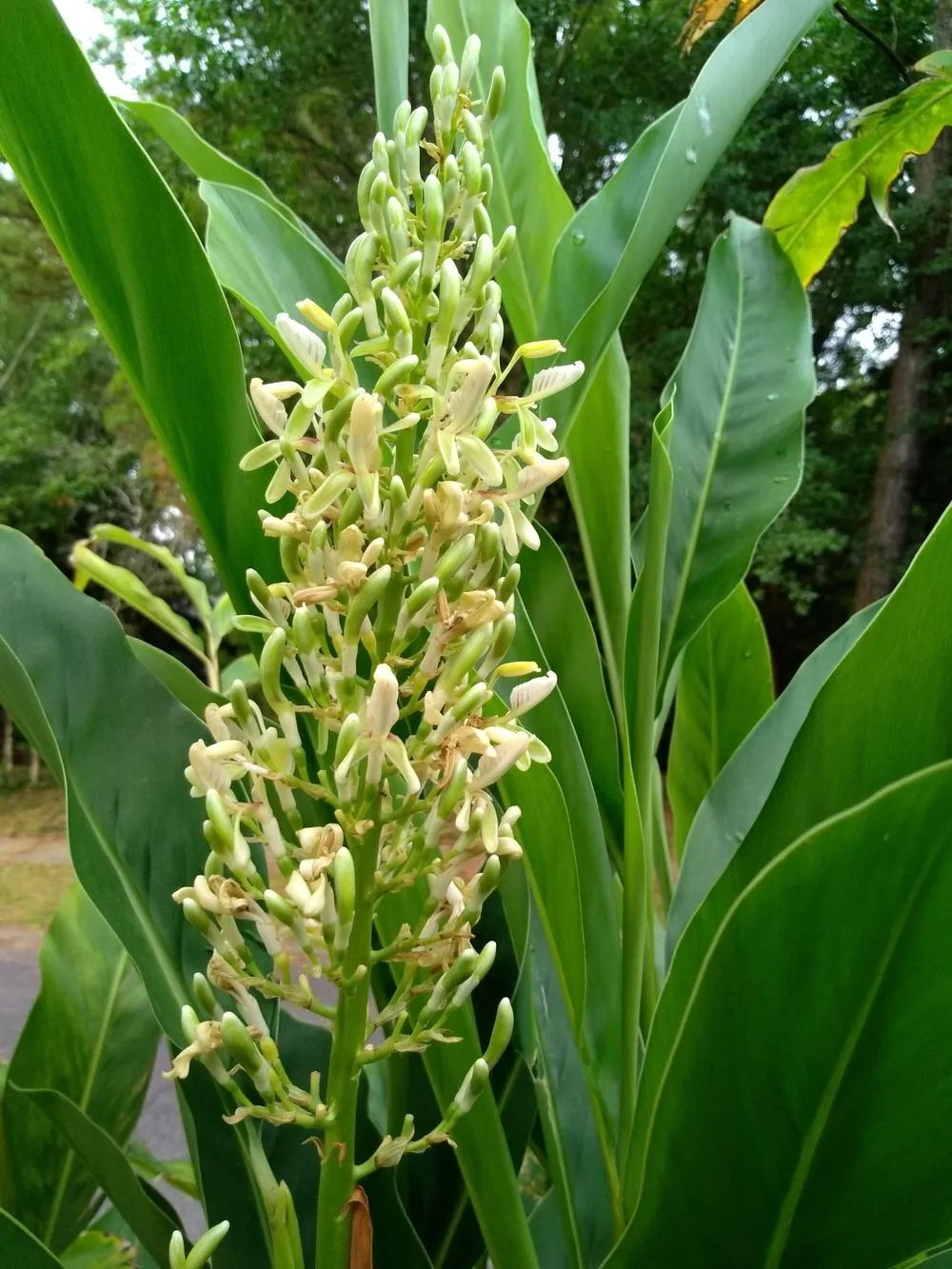
Galangal (*Alpinia galanga*) is a tropical perennial herb native to Southeast Asia, belonging to the ginger family, Zingiberaceae. The plant typically reaches heights of 1.5 to 2 meters, featuring long, lanceolate green leaves measuring approximately 25-35 cm in length. It produces small, aromatic flowers that are white with deep-red streaks, blooming at the top of the plant. The rhizomes are similar in appearance to ginger but are smaller and have a distinct, pungent aroma with flavors reminiscent of citrus, black pepper, and pine needles. Galangal thrives in partial shade and requires moist, fertile, well-drained soil. Regular watering is essential to maintain consistent soil moisture, but ensure the soil is not waterlogged to prevent root rot. Propagation is primarily achieved through division of the rhizomes. Select healthy rhizomes with at least two "eyes" or growth nodes. Plant the rhizome sections approximately 5 cm deep in well-prepared soil during the warm season, ensuring adequate spacing to accommodate mature plant size. The rhizomes are typically ready for harvest 10 to 12 months after planting, once the plant's aerial parts begin to yellow and die back. Carefully dig around the base to extract the rhizomes without causing damage.
Permaculture Functions
- Edible: Alpinia galanga rhizome slices carry pine-citrus heat for Thai tom kha and Indonesian rendang pastes -- dig after ten to twelve months when lower leaves yellow signals starch peaks on zone 9-11 clumps mulched like ginger cousins.
- Medicinal: Galangin flavonoids show up in gastric-soothing studies behind Jamu formulas -- still watch anticoagulant stacking if daily decoctions meet pharmaceutical blood thinners your clinician already tracks on the same chart printout.
- Pollinator: Terminal white labellum flowers streaked maroon open high for orchard bees servicing ginger-family inflorescences -- when turmeric hedge bloom finishes lower on the same afternoon-shade guild you irrigate evenly.
- Wildlife Attractor: Dense pseudostem clumps shelter terrestrial frogs on humid paths -- where mulch never dries next to lemongrass skirts on zingiber guild edges you refuse to scalp with string trimmers each August heat dome.
Field Observations
- No field observations yet
Companion Planting
Threats & Pressure