About
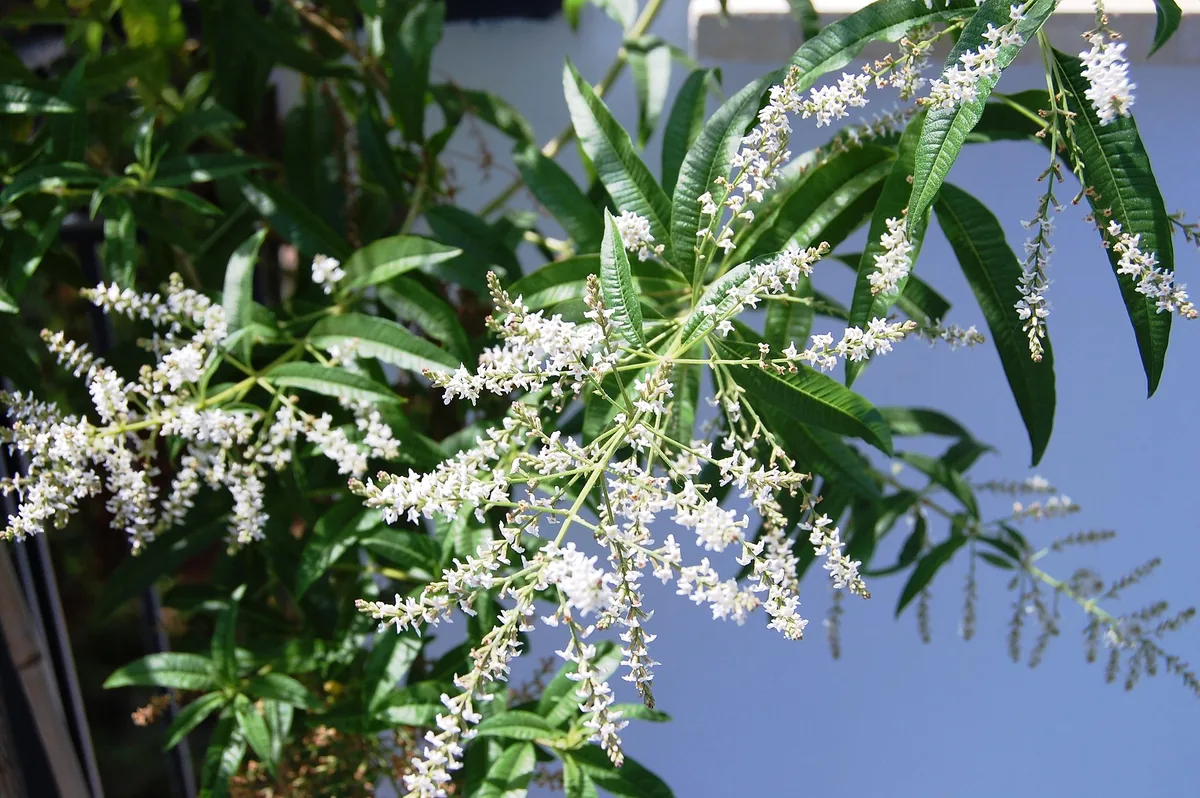
Bee Bush is an aromatic shrub that typically grows between 0.9 to 3 meters (3 to 10 feet) in height. It features slender, erect stems with light gray bark and small, narrow leaves that are pale underneath, measuring approximately 0.6 to 2.5 centimeters (0.25 to 1 inch) long. The plant produces tiny white to blue flowers from March to November, which are highly fragrant and attract various pollinators. Bee Bush thrives in full sun or lightly filtered sun. It is drought-tolerant once established but benefits from weekly watering to maintain optimal appearance. The plant prefers well-drained soils but can adapt to poorer soils. Propagation is typically achieved through semi-hardwood cuttings taken in late summer. Ensure the cuttings are kept in a humid environment until roots develop. While Bee Bush is primarily grown for its ornamental and ecological benefits, any harvesting of plant material should be done during its active growing season, ensuring not to over-prune to maintain plant health.
Permaculture Functions
- Wildlife Attractor: Aloysia gratissima pumps vanilla-leaning fragrance from tiny white flowers March through November, pulling native bees and wasps to limestone edges -- dusk is when human noses notice the perfume spike.
- Border Plant: Gray-barked multistem shrubs hit 1-3 m for informal Texas hedgerows without formal boxwood sheen -- rejuvenation prune after frost keeps interior wood flowering instead of going twiggy dead.
- Erosion Control: Fibrous roots stabilize caliche cuts and road rights-of-way where thin soil bakes -- weekly sprinkler cosplay rots crowns faster than honest drought cycles once established.
Companion Planting
- None specified
Threats & Pressure