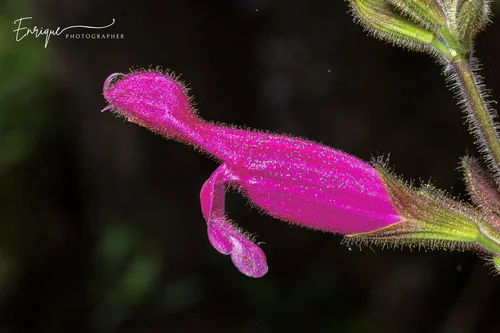
About
Fruit sage here is the pineapple-scented Salvia elegans crowd-pleaser: scarlet late-season tubes that make hummingbirds insufferably smug. Leaves smell like candy propaganda and taste mild-sweet in teas and syrups. In subtropical and tropical Americas it often dies to the roots in a rude freeze then returns like nothing happened — mulch the crown and stop acting shocked. Full sun for dense growth and flowers; light afternoon shade reduces wilt in brutal August. Average garden soil with decent drainage; steady moisture beats boom-bust drought cycling. Container culture: upsize pots before it hits root-bound drama. Softwood cuttings: take tips in warm months, root in perlite/peat under humidity. Division: split established clumps in spring as shoots emerge. Snip leaves and tender tips before flowering for mildest tea flavor -- post-bloom foliage turns sharper. Pick scarlet flower tubes at full color for syrups; use same day or refrigerate briefly. Dry small bundles upside down in shade; strip when crisp and store airtight out of direct sun.
Permaculture Functions
- Edible: pineapple-terpene leaves steep sweetest before scarlet tubular spikes open -- flowers pack mild nectar for syrups you use same day before enzyme fade dulls candy top-note on Gulf Coast resprouting crowns after fifteen-degree dips kill tops only.
- Medicinal: Lamiaceous rosmarinic acid loads back nervine tea traditions -- concentrated extracts still interact with psychiatric prescriptions so keep culinary sips small and route medicinal grams through clinicians who read actual interaction tables.
- Pollinator: Late-season red tubes line migrating ruby-throated hummingbirds after Labor Day bloom fireworks start on clumps you mulched heavy enough for crown survival -- when polar blasts surprise zone 8a winters between humid summers.
- Ornamental: Velvet apple-green leaves on red petiole stems read tropical in layered beds even -- before September scarlet spikes dominate front-yard sightlines your neighbors slow-roll past on the same border you water on soaker timers.
- Wildlife Attractor: Hummingbird territorial dogfights concentrate over densest Salvia elegans clumps -- when paired feeders stay empty during migration double-up weeks along coastal flyways you already mapped with eBird checklist discipline.
Companion Planting
Also mentioned as companions:
- Pepper
Not yet profiled in PermiePortal
- Wet feet all winter
- Deep shade (gets leggy and sulk)
Threats & Pressure