About
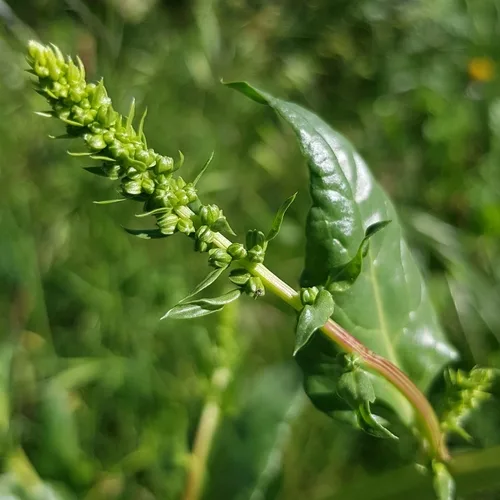
Beet (Beta vulgaris subsp. vulgaris) is a cool-season root crop grown for its swollen edible taproot and tender leafy greens. It is native to coastal parts of Europe and the Mediterranean basin, and it has been cultivated for centuries as both a vegetable and a soil-improving garden worker. Typical root sizes range from golf-ball to fist scale depending on variety, while foliage forms a low mat that suppresses weeds. In permaculture systems, beets bring edible nutrition, add organic matter when you chop the tops, and help you keep the soil surface active instead of bare. Full sun to partial shade; more light supports sweeter roots and faster growth. Consistent moisture matters: uneven watering can make roots tough or woody. Prefers loose, fertile, well-drained soil with plenty of compost; avoid compacted beds. Tolerates cool weather, but severe frost can damage tender growth. Seeds: direct-sow outdoors when soil warms to about 45–60°F (7–16°C); germination often occurs in 5–10 days. Start-and-transplant: start in trays and transplant early while seedlings are small, using intact root balls to reduce stress; keep evenly moist. Thin plants early so the developing root has space (crowding is how you get sad, knotted roots). Greens: harvest young leaves as soon as they’re usable, cutting outer leaves first. Roots: harvest when roots reach desired size (often 50–70 days after sowing). Store by removing greens, keeping roots cool and slightly humid; cook, roast, or pickle for longer keeping.
Permaculture Functions
- Edible: Beta vulgaris swollen hypocotyls roast earthy-sweet while young thinnings give bunched greens -- uneven irrigation makes woody rings inside roots, so soaker consistency beats heroic dry-downs before harvest.
- Medicinal: Betalain pigments and dietary nitrates from roots track blood-pressure studies in clinical nutrition, not in miracle powder ads -- leafy tops carry oxalate load worth noting for stone-formers.
- Ground Cover: 30-45 day canopies shade drills between slower crops, cutting evaporation until canopy closes -- harvest tops for kitchen before they pull too much from sizing roots.
- Mulcher: Chopped beet tops fold carbon-light green into compost or worm bins when mixed with straw -- avoid burying huge wet piles anaerobic next to crowns still sizing underground.
Companion Planting