About
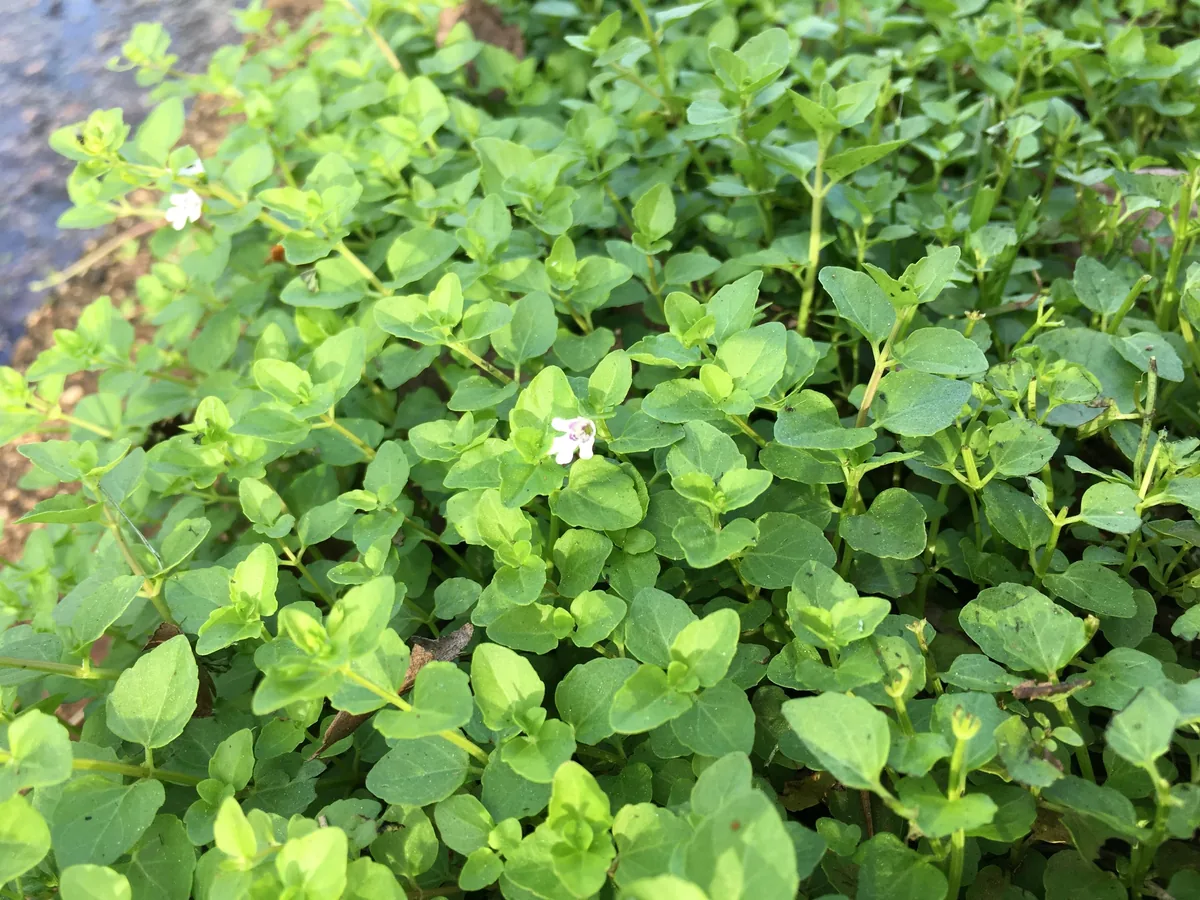
St. John's Mint (*Clinopodium brownei*), also known as Browne's Savory, is a perennial herb native to the southeastern United States. It forms dense mats of aromatic foliage, emitting a strong minty scent when crushed. The plant produces small, tubular flowers that attract pollinators. Its creeping stems root at the nodes, making it an excellent ground cover that can suppress weeds. Prefers partial shade to full sun and thrives in moist, well-drained soils. It can tolerate occasional flooding and is often found in wet habitats. Propagation is typically achieved through stem cuttings or division. Stems that touch the ground readily form roots, allowing for easy establishment of new plants. Leaves can be harvested throughout the growing season as needed for culinary or medicinal purposes.
Permaculture Functions
- Edible: Clinopodium brownei leaves taste like sharp savory mint without Mentha's toothpaste edge -- mince into bean pots, fish marinades, or vinegar where heat would blow out delicate cilantro.
- Medicinal: Humid warm-temperate kitchens steep leaf for upset stomach and head-cold teas -- treat cup strength like other high-volatile Lamiaceae herbs, not unlimited kettle refills, especially around pregnancy.
- Ground Cover: Square stems root at every damp node, forming knee-high mats along pond spillways -- holds soil against dog traffic better than bare riprap if you accept periodic shearing to keep paths walkable.
- Pest Management: Carvacrol-rich bruised leaf repels aphids from adjacent tomato cages in tight patio trials -- rain washes the plume fast, so crush a handful of border stems after each storm if you still see green peach aphid clusters.
Threats & Pressure