About
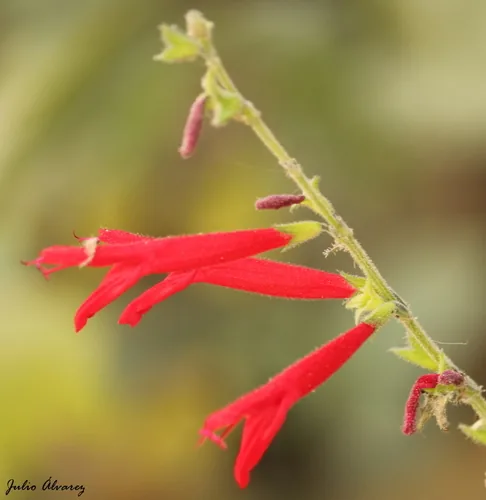
Honey Melon Sage is a market name for pineapple-scented Salvia elegans selections — same species pool as classic pineapple sage. Scarlet late- season tubes are hummingbird crack. Leaves smell like fruit salad and work in tea, syrups, and aggressive potpourri. In subtropical and tropical Americas it often dies back in winter and returns from roots around 9a/b; mulch the crown after frost. Full sun for best bloom and compact habit; part shade tolerable but stretches stems. Average water; drought-tolerant once established but sulks in bone-dry pots. Softwood cuttings in spring/summer root easily. Divisions of clumps in early spring. Name game: if the tag says honey melon and it smells like pineapple, you are not hallucinating — nurseries love adjectives. Snip tender Honey Melon Sage growth in cool mornings for best texture -- heat-stressed leaves taste like their day job. Flowers at full color for peak volatiles; seeds when pods rattle but before they self-sow across paths. Dry herbs in thin layers; deep piles steam themselves into compost.
Permaculture Functions
- Edible: Salvia elegans leaves smell like ripe pineapple and sweeten syrups, teas, and fruit salads -- taste a nibble before you dump handfuls into batter because volatile oils intensify under heat.
- Pollinator: Scarlet tubular flowers open late in the season, targeting migrating hummingbirds and long-tongued bees when many summer sages are done -- site in full sun so stems stay compact enough for birds to work easily.
- Ornamental: Upright spikes of lipstick-red blooms read tropical against apple-green foliage -- use as a punctuation plant in borders where autumn color needs zero apology.
- Wildlife Attractor: Nectar density is high enough that hummingbirds may ignore feeders nearby -- leave spent spikes until frost if you want migrating birds to tank up before they leave for winter ranges.
Companion Planting
- Dark bog corners
Threats & Pressure