About
Spruce pine (Pinus glabra) is a southeastern North American pine of moist ravines and mixed hardwood forests, with soft, dark green needles in bundles of two and a somewhat open, irregular crown compared with plantation loblolly. Heights of 50–80 feet (15–24 m) occur in protected sites. It tolerates partial shade as a juvenile, making it useful in woodland restoration and multi-story windbreaks. Full sun for mature canopy development; juveniles accept partial shade. Moist, well-drained acidic soils suit it; tolerates short dry spells once established but not xeric dunes. Avoid alkaline soils without amendment. Sow fresh seed; transplant seedlings with root balls intact. Prune only for clearance—do not top pines. Pine straw can be collected sustainably from needle drop—avoid stripping living crowns. Timber follows forestry plans. Growth peaks during warm months with adequate rainfall.
Permaculture Functions
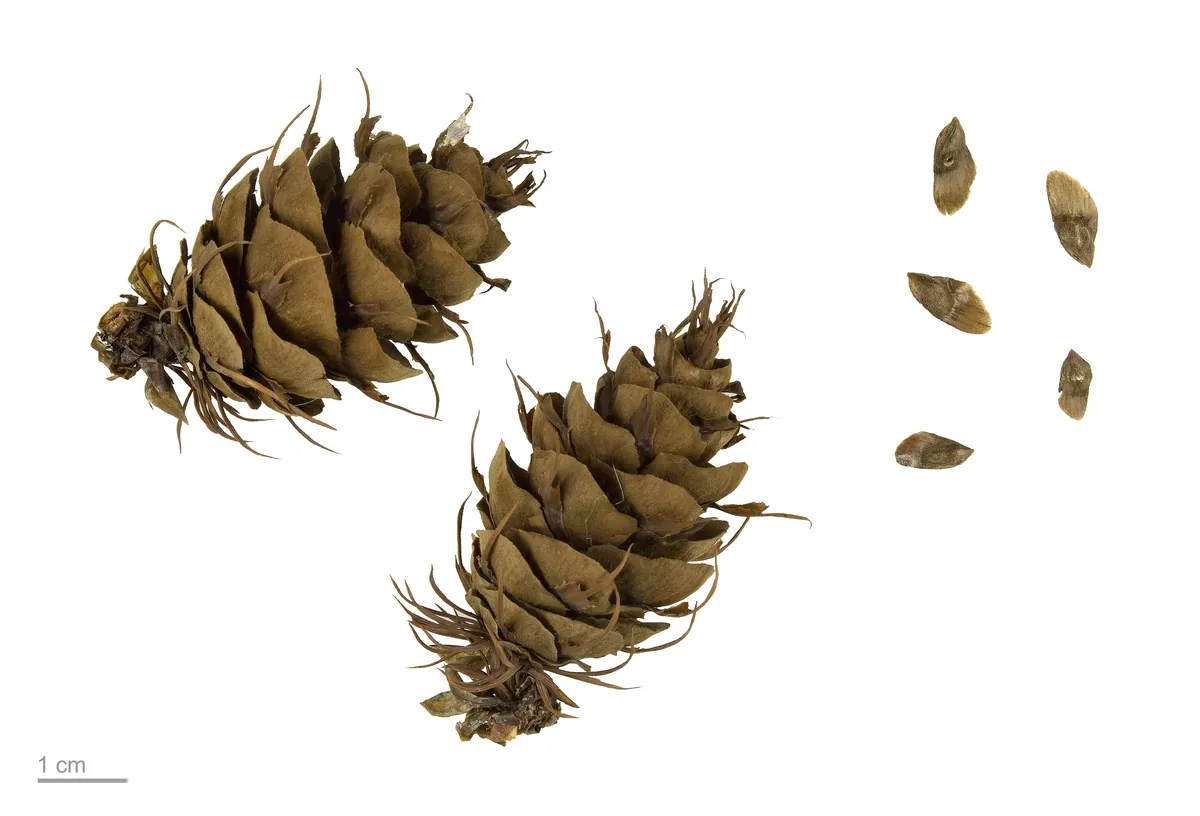
- Wildlife Attractor: Pinus glabra soft cones feed nuthatches -- while shade-tolerant crowns hold bats and flying squirrels in moist ravine forests.
- Windbreaker: Limbs flex without brittle snap so mixed oak-pine edges blunt gusts -- across poultry yards better than lone hardwood boles.
- Erosion Control: Buttressed roots hug seepage slopes from Carolina bays to Florida ravines -- where spring floods undercut lesser trees.
- Biomass: Long soft needles acidify duff for azaleas and blueberries planted -- where hardwood leaf litter would read too sweet.
Companion Planting
- Alkaline soil — chlorosis and chronic decline
- Open-field exposure without windbreak — young trees may flag until roots anchor
Threats & Pressure