About
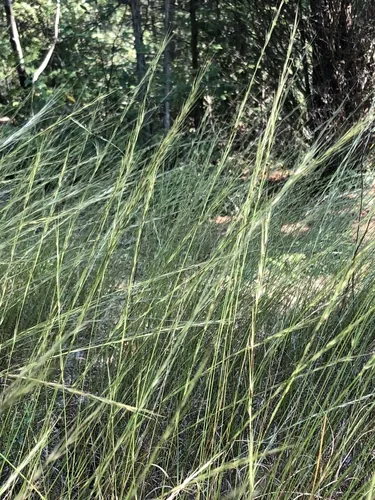
Wiregrass (Aristida stricta) is a warm-season bunchgrass of southeastern North American pine savannas and sandhills, forming dense tufts of wiry leaves and tall three-awn seed heads that catch light. It is a keystone species in fire-maintained longleaf systems, providing fine fuel and structure for wildlife. Heights of 2–4 feet (60–120 cm) are typical; roots dive deep on sand. Full sun; shade reduces vigor. Deep, well-drained sandy soils are native truth; tolerates drought once established. Avoid heavy clay and chronic irrigation. Sow seed in warm soil; establish from local ecotype sources for restoration integrity. Burn management follows regulations—never freestyle fire without training. Primarily ecological—seed for restoration; leave standing for wildlife cover. Peak growth follows warm wet periods.
Permaculture Functions
- Erosion Control: Aristida stricta bunchgrass roots lock deep sandhills -- keystone ground cover under longleaf pine where fire returns on schedule.
- Wildlife Attractor: Gopher tortoise and Bachman’s sparrow habitat depends on open wiregrass prairie -- structure for ground-nesting species when burns keep brush out.
- Ornamental: Three-awn seed heads catch light like copper wire -- authentic longleaf understory texture in native gardens.
- Biomass: Fine fuel loads carry cool prescribed fire -- legal burn plans only; unburned wiregrass thickets still beat bare sand.
Companion Planting
- Fire ecology — growth assumes periodic burn in many natural systems; follow laws and safety
- Wrong soil — clay makes wiregrass a short tragic play
Threats & Pressure