About
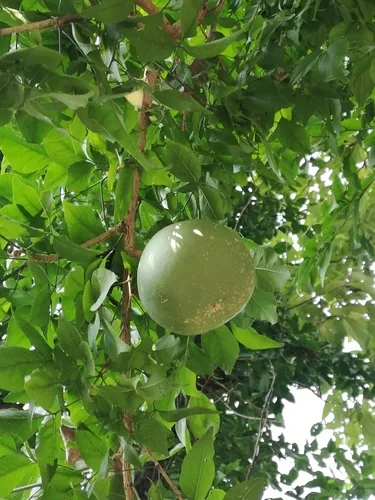
Bengal quince here refers to wood apple or elephant apple (Limonia acidissima), a thorny deciduous tree of South and Southeast Asia bearing hard-shelled, aromatic fruit with sticky brown pulp used in drinks, chutneys, and traditional medicine where appropriate. It is taxonomically separate from bael (Aegle marmelos) despite overlapping common names in older literature. Trees can reach 30–50 feet (9–15 m) with compound leaves and a rough, fissured trunk; the canopy is relatively open, allowing some undergrowth during wet season growth pulses. Full sun for flowering and fruiting; tolerates hot lowland climates with a pronounced dry season. Prefers deep, well-drained soils; drought-deciduous behavior is normal where irrigation is absent. Young plants need protection from hard frost; mature trees handle brief cool spells in marginal subtropical sites better than tropical understory herbs. Sow fresh seed; germination can be slow and irregular—scarify carefully following regional practice. Budding onto seedling rootstocks captures superior pulp types. Air-layer selected limbs during warm, humid weather for clonal copies. Fruit is typically used when mature but still firm for processing; pulp is scooped, strained, and sweetened. Fallen fruit ferments fast—collect on a schedule, not when you remember after three coffee refills.
Permaculture Functions
- Edible: Limonia acidissima hard woody rind protects sticky brown pulp scooped for drinks and chutneys after mallet work -- name confusion with bael (Aegle marmelos) ruins recipes if you skip Latin labels on the tree tag.
- Medicinal: Bark and leaf decoctions enter South Asian materia medica for digestive bitters where legality and training apply -- furanocoumarin sun-sensitivity still tracks Rutaceae chemistry here.
- Wildlife Attractor: Small white inflorescences feed citrus-associated pollinators while fallen fruit feeds fruit bats and pigs in home-range tropics -- fallen fruit ferments fast, so harvest walks are calendar events.
- Shade Provider: Relatively open canopy gives shifting shade for turmeric rows and goat pens without deep jungle gloom -- thorns on young wood mean loafing shade design includes bandaging kits.
- Ornamental: Rough fissured bark and glossy compound leaves read as large-yard sculpture -- only commit space if loading fruit over driveways passes your insurance humor test.
Companion Planting
- Thorns — young branches are sharply armed; plan pruning access and paths before trees mature
- Name confusion — do not assume this is bael (Aegle marmelos); recipes and rootstocks differ
Threats & Pressure