About
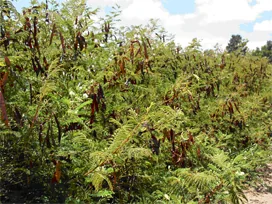
Prairie acacia (Vachellia angustissima, formerly Acacia angustissima) is a thorny, multi-stemmed leguminous shrub or small tree from the southwestern United States through Mexico and Central America. Finely divided bipinnate leaves give a soft, ferny look, while white ball-shaped flower clusters appear in warm months; plants often spread by root suckers forming thickets 6–15 feet tall depending on moisture and genetics. Full sun for dense growth and reliable flowering; open, airy sites reduce foliar disease in humid subtropical and tropical Americas summers. Drought-tolerant when established; young plants need regular water. Avoid prolonged wet feet—choose sandy or sloped ground during the rainy season. Seeds: scarify or pour near-boiling water over seeds, soak until swollen, then sow in warm moist mix. Root cuttings/suckers: dig rooted sprouts from the edge of a clump during early wet season and transplant with plenty of root. Prune for browse, mulch, or thicket management during active growth. Flowers attract pollinators at peak warm-season bloom; seed pods mature after flowering for collection or wildlife feed.
Permaculture Functions
- Nitrogen Fixer: Vachellia angustissima nodules fix nitrogen on calcareous hillsides where fruit trees would starve without legume neighbors -- interplant on grazed contours so animal traffic spreads leaf litter downhill.
- Wildlife Attractor: White globose inflorescences feed native bees; coiled pods feed quail and deer protein in dry seasons -- thorny architecture also gives cover for ground-nesting birds if thickets stay un-mowed.
- Animal Fodder: High-protein bipinnate leaves accept rotational goat and cattle browse once lignification is managed -- introduce herds gradually because tannin spikes on drought-stressed plants can bind protein.
- Erosion Control: Deep roots and suckering stems knit arroyo cuts and overgrazed pasture brows after mechanical rest -- pair with contour swales so first rains do not undercut fresh suckers.
- Mulcher: Fine leaflets chop-and-drop fast into sweet-smelling green manure that warms compost piles -- shred woody prunings separately because thick thorns do not belong in barefoot mulch paths.
Companion Planting
Threats & Pressure
- Aphids
- Banded Cucumber Beetle
- Bean Aphid
- Bean Leaf Beetle
- Bean Weevil
- Borers
- Corn Earworm
- Cowpea Curculio
- Fall Armyworm
- Kudzu Bug
- Locust Borer
- Locust Leaf Miner
- Lubber Grasshopper
- Pea Moth
- Pea Weevil
- Reniform Nematode
- Root Aphid
- Scale Insects
- Soybean Looper
- Spittlebugs
- Stink Bug
- Striped Cucumber Beetle
- Spotted Cucumber Beetle
- Brown Marmorated Stink Bug
- Harlequin Ladybird
- Velvetbean Caterpillar