About
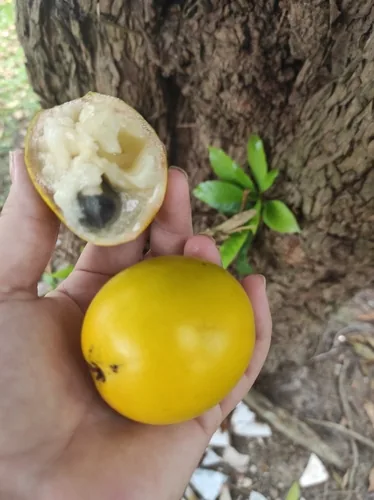
Mamey sapote is the tropical fruit that feels like sweet potato met avocado and went on vacation. Large seeds mean choking hazards and landscaping hazards if you are barefoot and unwise. Tree is handsome evergreen energy in true tropics; subtropical and tropical Americas is mostly "greenhouse celebrity" unless you are coastal 10b and feeling lucky with frost fabric budgets. Full sun once established; young trees appreciate light shade during establishment heat. Deep, fertile, well-drained soil; consistent moisture without chronic root rot soup. Wind protection reduces leaf tatter on young plants. Seeds: large seeds fresh-sown warm; variable seedling quality. Grafting: preferred for known superior fruit lines. Mamey Sapote: pick when color, aroma, and a gentle yield to pressure agree for that species -- impatient fruit keeps starch, latex, or both. Clip clusters with clean tools; shallow trays beat deep piles that bruise the optimistic bottom layer. Rain splits thin skins -- pick before monsoon weeks if weather apps cooperate.
Permaculture Functions
- Edible: Pouteria sapota bears salmon-orange flesh with sweet potato-meets-pumpkin pie flavor around large glossy seeds -- eat fully ripe when skin scruffs and aroma peaks; latex from skin can irritate if you carve fruit carelessly.
- Ornamental: Huge oblong leaves and dense evergreen canopy read like tropical hardwood -- site with room because mature trees shade whole yards.
- Wildlife Attractor: Bats and fruit-eating mammals work ripe fruit in native range -- in orchard settings, harvest daily or accept losses because pulp ferments overnight on the ground.
- Mulcher: Thick leaves drop steadily, building fungal duff under bananas and cacao -- rake excess away from collar if mulch volcanoes invite stem rot in humid wet seasons.
Companion Planting
- Marginal freeze zones without protection budget
- Waterlogged clay that rots taproots
Threats & Pressure