About
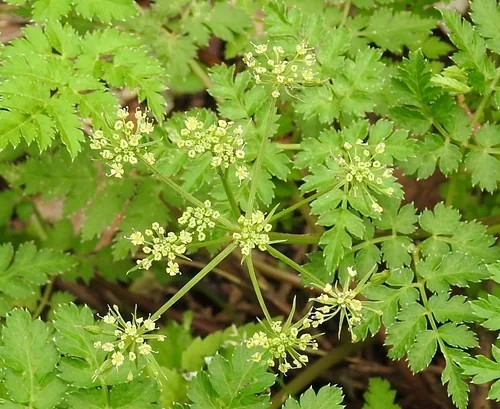
Arracacha is the Andean root crop that tastes like carrot met celery met potato and forgot to be boring. Creamy yellow roots form from a crown of stems; leaves resemble parsley's dramatic cousin. In subtropical and tropical Americas it is marginal in the hottest lowland pockets—think cool microclimates, afternoon shade in summer, and zero heroics during heat waves. Treat it like a pampered perennial carrot guild member, not a set-and-forget sweet potato. Part sun / bright shade in hot subtropics; cooler highland conditions allow more sun. Deep, loose, fertile loam with steady moisture—swings between bone dry and swamp rot the crown. Heavy mulch to buffer soil temperature and flatter the roots. Crown divisions and offsets from established plants—primary practical method. True seed is rare in cultivation; commercial propagation is vegetative. Dig roots when crowns go dormant or after 8–12 months growth; handle like bruise-prone potatoes.
Permaculture Functions
- Edible: Arracacia xanthorrhiza creamy yellow roots taste like carrot met celery met potato once boiled or roasted -- crown divisions propagate true types because seed is rare in cultivation.
- Mulcher: Disease-free tops chop into beds after harvest to feed fungi and buffer moisture swings -- avoid burying thick stems green in anaerobic trenches where they sour instead of compost.
- Biomass: Seasonal parsley-looking foliage stacks carbon for on-site compost and chicken runs in Andean-style rotations -- faster breakdown than woody prunings, so it fits tight warm-season turnovers.
Companion Planting
- Baking full-sun sand without irrigation
- Waterlogged clay that murders crowns
Threats & Pressure