About
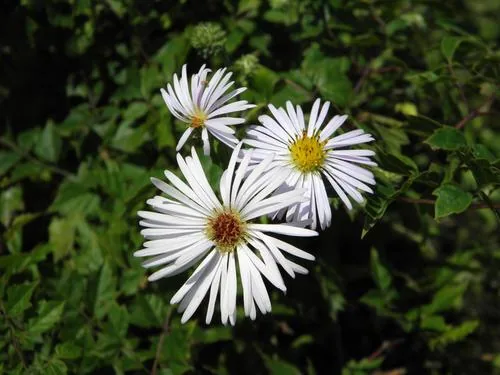
Climbing aster (Ampelaster carolinianus) is a woody-based vine or scandent shrub of southeastern North American wetlands, producing many lavender-pink daisy flowers in late summer through fall when few natives bloom. Stems climb or arch to roughly 6–12 feet (2–3.5 m) on shrubs, fences, and dead snags at pond edges. It is a pollinator bridge species for migrating insects and a soft color note in moist native gardens. Full sun to partial shade; best flowering with at least half-day sun. Moist to wet, organic-rich, acidic soils match natural swamps; tolerates average garden moisture if never drought-stressed in heat. Mulch roots; avoid drying winds on rooftop planters. Softwood cuttings in summer with hormone under mist. Layer arching stems to moist soil; detach the next spring. Sow seed after stratification; viability varies by population. Cut flowering stems for bouquets sparingly—leave most blooms for pollinators. Prune back hard in late winter to encourage bushy regrowth and reduce wind tangle on trellises. Remove dead stems after frost if tidiness matters.
Permaculture Functions
- Pollinator: Lavender-pink Ampelaster disks open late summer through fall -- feeding migrating butterflies, skippers, and bees when goldenrod fatigue sets in.
- Wildlife Attractor: Finches pick dry achenes -- while wiry stems tangle into cover for frogs and small snakes at pond margins.
- Ornamental: Soft pink daisies on a climbing frame read gentler than brassy yellow autumn composites -- along the same fence line.
- Erosion Control: Woody base and arching stems root along soggy banks -- when trained through buttonbush or willow scaffolding.
Companion Planting
- Drought on sandy berms — reduced bloom and dieback without irrigation
- Heavy shade — leggy growth with few flowers
Threats & Pressure