About
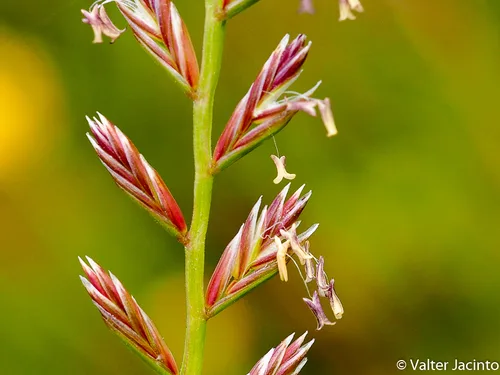
Winter rye (Secale cereale) is a cool-season grain cover crop grown for dense ground coverage, straw mulch, and forage-style feed in some systems. It is native to Europe and western Asia and adapts well to cold winters compared with many other cereals. Plants typically grow 60–150 cm (24–59 in) tall with upright stems and long grain heads. In permaculture, winter rye matters because it keeps soil covered during off-season gaps, protects against erosion, and provides bulky residues that improve soil structure after decomposition. Full sun for the best coverage; partial shade slows stand density. Moderate water during germination and early growth; reduce as plants mature. Prefers well-drained soil with compost; avoid persistent wetness. Tolerates cold; hard freezes are less harmful once plants are established. Seeds (fall sow): direct-seed in autumn for overwintering cover; germination often occurs within 3–8 days. Seeds (spring sow): possible where winters are too harsh, but coverage may be shorter. Thick seeding: helps ground coverage and weed suppression. Cover crop: cut/terminate in spring before it becomes too mature or re-seeds aggressively. Mulch: leave residues on the surface for chop-and-drop or shallow laydown. For forage: cut green growth at the right stage if your system supports feed use.
Permaculture Functions
- Mulcher: Secale cereale straw is high-lignin carbon -- roll-crimp thick stands for no-till mulch or bale for bedding.
- Erosion Control: Fibrous roots and winter tiller mass armor fields when summer vegetables would leave bare soil -- survives frost that kills oats.
- Animal Fodder: Boot-stage grazing feeds dairy before heading -- watch ergot in wet years; straw returns after rumen passes through.
Companion Planting
- Avoid planting rye continuously in the same spot; cereal pests and diseases can accumulate.