About
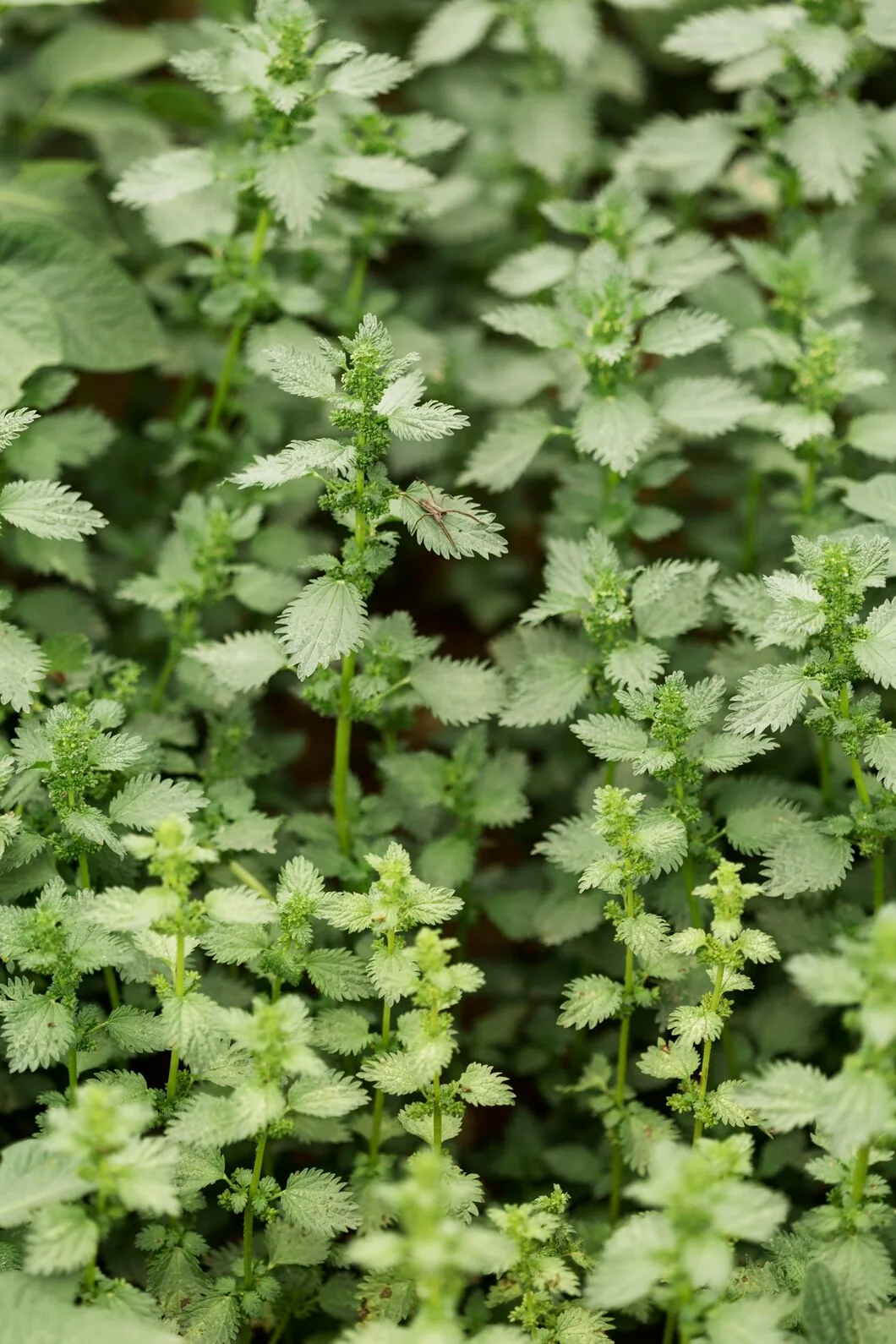
Catnip (*Nepeta cataria*) is a short-lived perennial herb that typically grows to a height of 60–90 cm (2–3 feet). It features erect, branched, square stems clad with aromatic, opposite, coarsely-toothed, triangular to ovate, gray-green leaves measuring up to 7.5 cm (3 inches) long. The plant produces small, two-lipped, white flowers with pale purple spotting, arranged in spike-like terminal clusters at the stem ends, blooming from late spring well into summer. Catnip is renowned for its effect on domestic cats, inducing behaviors such as rolling, rubbing, and purring due to the presence of the compound nepetalactone. It is also valued for its medicinal properties and as an attractant for pollinators like butterflies. Catnip thrives in full sunlight but can tolerate partial shade. It prefers well-drained soil and is drought-tolerant once established. Regular watering is beneficial during dry periods, but overwatering should be avoided to prevent root rot. Catnip can be propagated through seeds, cuttings, or division. Seeds can be sown directly into the soil after the last frost or started indoors 6–8 weeks before planting out. Softwood cuttings taken in late spring or early summer root readily. Established clumps can be divided in spring or fall to create new plants. Harvest catnip leaves and flowering tops just before the plant blooms, typically in late spring or early summer, when the essential oil content is at its peak. Cut the stems in the morning after the dew has dried. The harvested material can be used fresh or dried for later use.
Permaculture Functions
- Medicinal: leaves and flowering tops steep into mild nervine teas for colds and indigestion traditions -- where nepetalactone levels peak just before full anthesis in morning harvests.
- Pollinator: white spotted tubes feed honeybees, bumblebees, and parasitoid wasps -- along upright spikes through summer in lean sunny beds that resist root rot better than true mints.
- Wildlife Attractor: nepetalactone rolls house cats and occasionally bobcats onto planted patches -- while seed heads finches pick clean if stems escape feline mulch long enough.
- Pest Management: volatile nepetalactone repels some mosquitoes and squash bugs -- when leaves are crushed into test strips or interplanted at low density beside cucurbits, not as a wall of defense.
Threats & Pressure