About
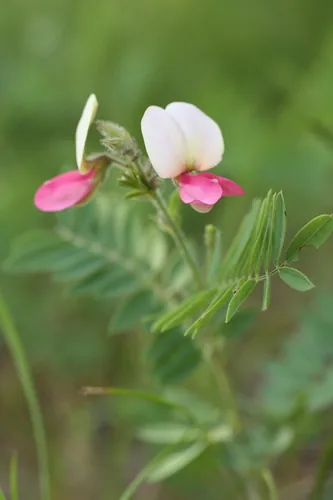
Goat's rue is a tall perennial legume with bluish flowers and a résumé that includes “livestock poison if mishandled” and “historical galactagogue folklore.” It fixes nitrogen with rhizobia suited to the genus—not a generic bean inoculant guess. Several regions list it as invasive weed; subtropical and tropical Americas heat can stress it compared to cooler strongholds. Grow as a managed hedgerow experiment, not a salad bar. Full sun to light shade; best vigor in cooler summers. Moist, fertile, well-drained soils; tolerates wetter spots better than drought deserts. Seeds: scarify and soak; germination improves with treatment. Division in spring for known lines. Not a casual harvest crop—toxicity profile means hands-off unless you are following expert guidance for specific prepared uses.
Permaculture Functions
- Nitrogen Fixer: Galega officinalis rhizobia nodulate taproots on cool moist floodplain edges unlike generic cowpea inoculant strains matched to hay-field pH seven loams you already soil-tested -- before dumping wrong inoculant on the drill fill.
- Medicinal: Galegine alkaloid history links early diabetic symptom experiments before synthetic metformin -- livestock poisoning risk still dominates modern pasture advice sheets when naive grazers meet unmanaged second-growth stands after fence breaks.
- Wildlife Attractor: Bicolor lavender-white pea racemes feed long-tongued bees in northern summers -- where plant spreads only under mowing or harvest control regimes that keep seed rain off wetlands listed invasive on your county extension map printout.
- Animal Fodder: Estonian hay trials cut regrowth at bud stage for dairy cows after wilting removes volatile toxicity spikes -- default stance stays do-not-graze without published regional extension sheets because fresh green Galega still poisons sheep at typical naive pasture intakes.
Companion Planting
- Pastures with naive grazers and no management
- Letting seed spread where listed as invasive
- Wet meadow forbs
Threats & Pressure
- Aphids
- Banded Cucumber Beetle
- Bean Aphid
- Bean Leaf Beetle
- Bean Weevil
- Corn Earworm
- Cowpea Curculio
- Fall Armyworm
- Kudzu Bug
- Locust Borer
- Locust Leaf Miner
- Lubber Grasshopper
- Pea Moth
- Pea Weevil
- Reniform Nematode
- Root Aphid
- Soybean Looper
- Spittlebugs
- Stink Bug
- Striped Cucumber Beetle
- Whiteflies
- Spotted Cucumber Beetle
- Brown Marmorated Stink Bug
- Harlequin Ladybird
- Velvetbean Caterpillar