About
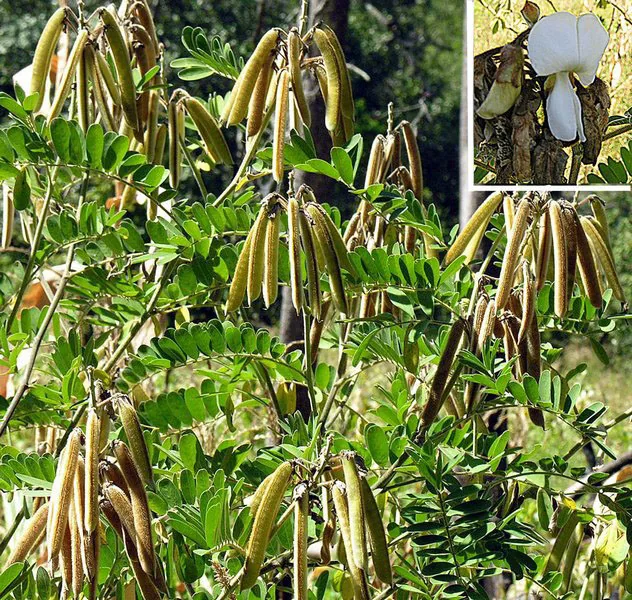
Tephrosia vogelii is a fast-growing tropical legume shrub with pinnate leaves, pink-purple pea flowers, and a résumé that includes green manure, nematicidal folklore, and fish-poison chemistry where tradition (and ethics) allow. Plants often reach 3–10 feet in a season on good soil, fixing nitrogen while accumulating biomass like they are paid overtime. subtropical and tropical Americas: At home in frost-free Florida and across Puerto Rico as a warm-rainy-season cover crop and fallow improver—if you respect the rotenone-class compounds that make it a tool, not a salad. Humidity fuels foliage growth; cut and incorporate or lay as mulch on schedule so biomass does not become a fungal apartment complex. Full sun for maximum biomass and nodulation; shade yields leggy underperformers. Likes steady moisture during establishment; surprisingly drought-tolerant once deep-rooted—still avoid waterlogged clay. Scarify hard seeds and sow after soil warms; inoculate with appropriate rhizobia if you want honest nitrogen receipts. Take semi-hardwood cuttings in warm wet months; keep humidity high until roots grab. Slash at early flowering for green manure balance between biomass and breakdown speed. Never apply near fish ponds or water bodies where toxins could move—this is watershed ethics, not optional flavor text.
Permaculture Functions
- Nitrogen Fixer: Tephrosia vogelii African fallow shrub nodulates on worn oxisols -- terminate before seeds mature because rotenone-class compounds linger in green mulch.
- Biomass: Huge imparipinnate leaves fold into weed-smothering mulch -- on slash-and-burn fields transitioning toward perennial cacao.
- Pest Management: Crushed leaf brews historically stunned fish and nematodes -- modern organic rules still treat rotenone chemistry as restricted-use homework.
Companion Planting
- Lettuce — sensitive leafy crops planted immediately after fresh tephrosia incorporation without a breakdown waiting period.
- Spinach — same residue-timing issue; rotate like the label is not optional fiction.
Threats & Pressure
- Aphids
- Banded Cucumber Beetle
- Bean Aphid
- Bean Leaf Beetle
- Bean Weevil
- Corn Earworm
- Cowpea Curculio
- Fall Armyworm
- Kudzu Bug
- Locust Borer
- Locust Leaf Miner
- Lubber Grasshopper
- Pea Moth
- Pea Weevil
- Reniform Nematode
- Root Aphid
- Soybean Looper
- Spittlebugs
- Stink Bug
- Striped Cucumber Beetle
- Spotted Cucumber Beetle
- Brown Marmorated Stink Bug
- Harlequin Ladybird
- Velvetbean Caterpillar