About
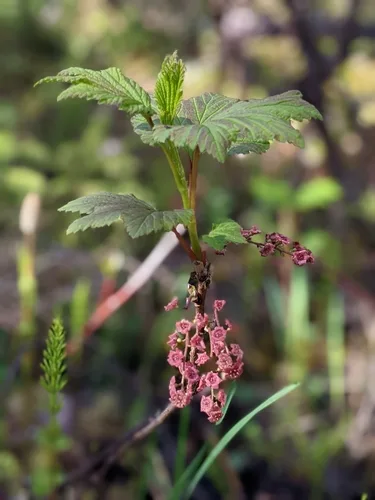
Redcurrant (Ribes rubrum) is a deciduous shrub native to parts of Europe and western Asia, grown for its bright red fruit clusters. It typically reaches about 1–1.5 m (3–5 ft) tall with upright canes and fruiting branches that ripen in succession. In permaculture, redcurrant matters because it supplies a reliable berry harvest from a woody, prunable structure plant while supporting early-season pollinators through spring flowers. The dense cane growth also creates living boundaries that reduce bare soil and invite beneficial garden life. Full sun to partial shade; more sun improves flavor and fruit color. Water moderately during flowering and fruit sizing; drought reduces berry size. Prefers well-drained, fertile soil with organic matter. Avoid persistently waterlogged ground to reduce root stress. Cuttings: take hardwood or semi-hardwood cuttings and keep evenly moist; rooting commonly takes 6–12 weeks. Layering: bend a low cane to the soil and keep contact; roots form over the season. Seeds: use cold-stratified seed; germination can be slow and seedlings take longer to fruit. Harvest fruit when berries are fully red and flavorful; pick in rounds over several days. Eat fresh, freeze, or process into sauces, syrups, and preserves. Prune after harvest to maintain productive cane structure for the next season.
Permaculture Functions
- Edible: Ribes rubrum translucent red strings pack tart pectin for jelly, syrups, and summer puddings -- pick whole strigs when berries yield slightly; freeze on trays before bagging so clusters do not crush to juice prematurely.
- Wildlife Attractor: Dangling yellow-green spring racemes feed bumble queens; ripe fruit feeds robins and chipmunks unless netted -- leave lower canes for ground-foragers if human harvest targets stay on upper wires.
- Border Plant: Upright 1–1.5 m clumps define kitchen garden corners with thornless canes easier to prune than gooseberry -- mulch keeps roots cool; airflow pruning beats fungal panic sprays in humid summers.
Companion Planting