About
Lemon verbena is the tea plant that smells like honest lemonade without the sugar guilt. Deciduous in cooler winters, it often dies to the ground in subtropical and tropical Americas freezes and returns from the crown if mulch behaved. Container culture lets you drag dignity indoors when polar nonsense arrives. Leaves dry beautifully; fresh leaves bruise into syrups and cordials. Full sun for essential oil intensity; leggy shade plants are sad sticks. Well-drained, fertile soil; consistent moisture in containers, drier between waterings only if media is fast. Prune hard in spring to reshape after winter dieback. Softwood cuttings in warm months under humidity — reliable clone path. Seeds: uncommon and variable; cuttings win. Lemon Verbena: pick peak flavor when fruits soften slightly and detach easily -- birds are a parallel calendar. Harvest after dew dries to reduce mold in baskets. Jam batches same day if humidity is high; acid and sugar balance matter more than Instagram gloss.
Permaculture Functions
- Edible: Aloysia citrodora leaves bruise into clear lemon syrup with half the sugar citrus needs -- strip leaves off woody stems before steeping or tannins from bark hitch a ride into the bottle.
- Medicinal: European phytotherapy lists lemon verbena tea for mild tension and indigestion based on citral-rich volatiles -- kidney-stone formers should track oxalate load if they drink liters daily instead of occasional cups.
- Ornamental: Long willowy shoots read soft green fountains in large patio pots -- dies to crown in hard frost zones; mulch mounded eight inches (20 cm) over crowns if you want dice-roll survival below 20°F (-7°C).
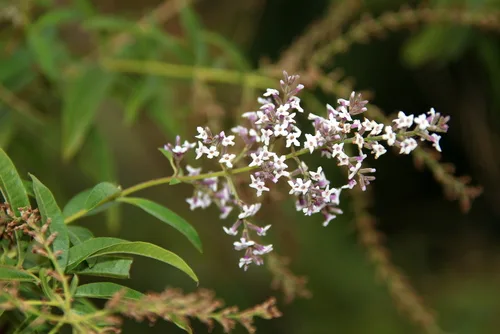
- Pollinator: Tiny pale lilac tubes open in loose axillary clusters in late summer, feeding small native bees when flashy annuals are tired -- bloom is brief unless you stop hedge-shearing for three weeks and accept rangier shape.
Companion Planting
Threats & Pressure