About
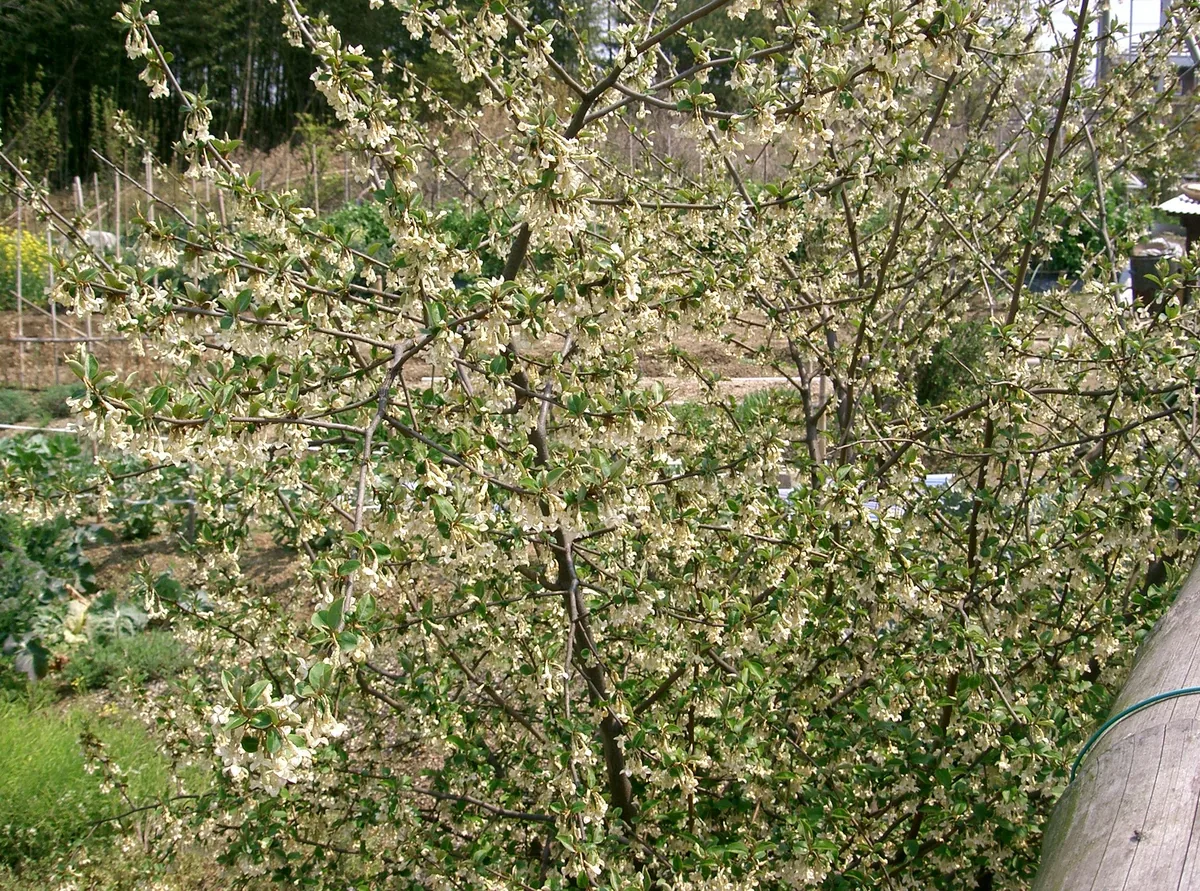
Silverberry (Elaeagnus commutata) is a cold-hardy deciduous to semi-evergreen shrub of North American prairies and open woods, bearing silvery-scaly leaves, fragrant pale flowers in spring, and dry, mealy red-speckled drupes enjoyed by wildlife. It typically forms thickets 3–10 feet tall from rhizomes, fixing nitrogen with actinorhizal root symbionts unlike legumes. Full sun for dense growth and heaviest fruiting; tolerates wind. Drought-tolerant once established in well-drained soil; in subtropical and tropical Americas this species is primarily suited to rare cool upland microclimates or trials—heat and humidity often favor thorny evergreen Elaeagnus instead, so treat silverberry as a continental design plant unless you can mimic dry-cool nights. Seeds: stratify drupes, clean seed, sow in cool conditions; germination can be slow. Hardwood cuttings: take in dormant season, use rooting hormone, keep humid until callus forms. Fruit is mealy and astringent fresh but usable dried or processed; pick when fully silvery-red and softening. Thin old stems after fruiting to renew vigor.
Permaculture Functions
- Edible: Elaeagnus commutata mealy red-speckled drupes need drying or leaching before sweet notes emerge -- treat like olive curing schedules, not grab-and-go trail snacks.
- Nitrogen Fixer: Frankia nodules on roots feed silver-leafed suckers that expand across alkaline prairie berms -- without urea subsidies.
- Wildlife Attractor: Early tubular flowers offer nectar before apple bloom -- while fatty seeds ride through waxwing flocks in autumn.
- Windbreaker: Rhizomatous thickets planted on contour blunt chinook gusts -- across shelterbelt polycultures north of true tree rows.
- Erosion Control: Fibrous mats lock road-cut gravel and mine spoil -- where topsoil trucks never arrived.
Companion Planting
Threats & Pressure