About
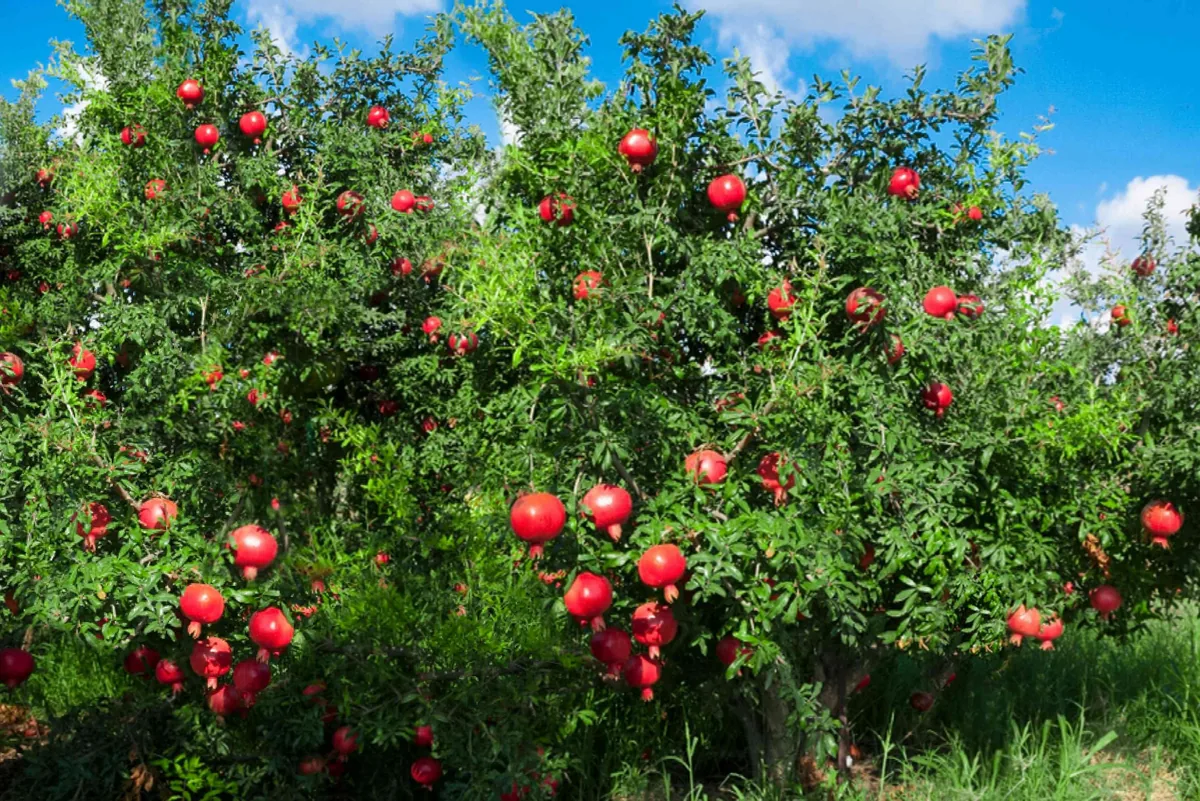
The Pomegranate Tree (Punica granatum) is a deciduous fruit-bearing shrub or small tree that grows up to 3-6 meters (10-20 feet) tall. It is known for its bright red flowers, dense foliage, and round fruits filled with juicy, edible seeds. Pomegranates thrive in warm, arid, and semi-arid climates with well-drained soil and plenty of sun. Requires full sun for optimal fruit production. Prefers well-drained sandy or loamy soil with a pH between 5.5 and 7. Drought-tolerant once established but benefits from regular deep watering during fruiting. Seeds: Can be grown from seeds but may take several years to produce fruit. Cuttings: Hardwood cuttings are the preferred method for propagation. Layering: Air layering can be used for faster and more reliable propagation. Fruits ripen in late summer to early fall, typically 5-7 months after flowering. Harvest when the skin turns deep red or yellowish-red and produces a metallic sound when tapped.
Permaculture Functions
- Edible: Punica granatum leathery rinds split to reveal ruby arils for fresh eating, molasses, and syrup without seed removal tricks -- harvest on metallic drum sound and waxy bloom fade; sunburn spots invite juice fermentation fast.
- Medicinal: Peel tannins and ellagitannin-rich juice fractions appear in astringent diarrhea protocols and modern prostate supplement trials -- drug interaction data lags behind juice hype; keep therapeutic use inside clinician guidance.
- Pollinator: Bright orange-red wrinkled petals feed carpenter bees and ruby-throated hummingbirds on warm days -- single-trunk trees flower heaviest on one-year wood after moderate winter chill.
- Wildlife Attractor: Split fruit feeds mockingbirds and rats; thorny twigs shelter songbirds -- accept partial crop loss or net after bagging tests show fruit fly pressure.
- Windbreaker: Multi-stemmed shrubs on 3–5 m frames knit wind fences across Mediterranean-dry ridges -- open habit filters gusts without casting deep live-oak shade on understory vegetables.
- Erosion Control: Woody crowns and suckering roots stabilize terrace cuts in calcareous hills where irrigation is scarce -- mulch rings hold moisture through aril swell months without burying graft unions.
- Border Plant: Clip hedgerow forms define courtyard edges with dual-use beauty -- dwarf cultivars stay knee-high for knot gardens; species types reach small-tree height for alley cropping.
Companion Planting
Also mentioned as companions:
- Olive
- Lavender
- Rosemary
Not yet profiled in PermiePortal
- Walnut
- Fennel
Threats & Pressure