About
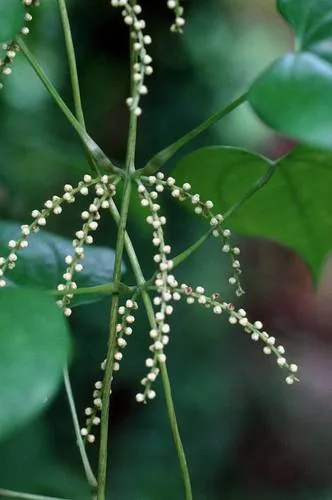
Yellow yam is a true Dioscorea vine grown for large starchy tubers—Caribbean and West African kitchens know it; HOA committees fear it. Trellis honestly or apologize to your trees later. subtropical and tropical Americas: Needs a long frost-free window for serious tubers; treat as experimental unless you are south and committed to harvest discipline. Sun and water: Full sun for maximum photosynthate to tubers. Deep, loose soil with organic matter; steady moisture in growth, dry-down before harvest where practical. Vine cuttings and small tuber pieces (head sprout); do not move named landraces across borders illegally—local laws apply. Guild notes: Corn can serve as a living trellis if you manage spacing so the yam still gets sun; pigeon pea fixes nitrogen at the bed edge without smothering tubers; cassava matches the long tropical calendar—watch water competition on sandy soils. Yellow Yam: dig tubers or roots after tops senesce or frost signals storage shift -- curing a few days at 50-60°F (10-16°C) sweetens some starches. Loosen soil wide first -- snapped necks invite rot in storage. Brush-dry before long storage; plastic totes without airflow grow penicillin cosplay.
Permaculture Functions
- Edible: Dioscorea cayenensis yellow-fleshed tubers bulk to serious weight in 12-month tropical rotations -- peel irritates skin; use gloves and long curing.
- Ground Cover: Twining stems claim trellis and tree trunks -- assign engineered posts or apologize to orchard trees.
- Mulcher: Frost-killed or hand-cut vines compost hot -- mix with browns; vines return potassium to the bed that fed tubers.
Companion Planting
Also mentioned as companions:
- Corn
Not yet profiled in PermiePortal
- Letting vines girdle orchard trees
- Waterlogged heavy clay