About
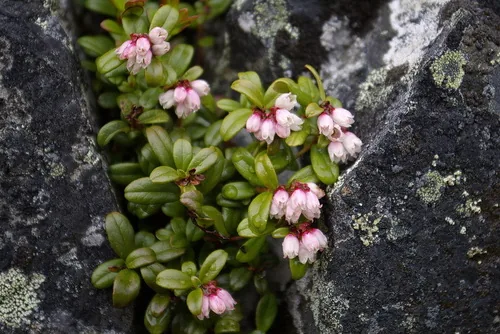
Lowbush cranberry (Vaccinium oxycoccos) is a dwarf evergreen cranberry of cold bogs, fens, and acidic wetlands across northern regions, with wiry stems, tiny leaves, and tart red berries smaller than commercial cranberry but beloved by foragers and birds. Mats creep low over sphagnum. It belongs in bog gardens, constructed wetlands with ethics, and restoration—not in a dry raised bed next to rosemary. Full sun in cool climates; partial shade where summer heat spikes. Constantly moist, acidic, organic soils with high water table or irrigation mimicry; tolerates true bog chemistry. Alkaline tap water is slow death—design water sources accordingly. Layer stems onto moist peat; hold until rooted. Sow seed after cold stratification; slow. Divide small mats carefully with minimal root desiccation. Berries ripen late in the short season; pick after full color for sauce and drying. Leave fruit for wildlife if harvest pressure is already high on the site. Do not drain wetlands to farm cranberries—ethics and law both frown.
Permaculture Functions
- Edible: Vaccinium oxycoccos bears pea-sized tart berries on wiry stems -- simmer into sauce like commercial cranberry but expect more seed crunch unless you sieve patiently.
- Wildlife Attractor: Red fruit feeds grouse, thrushes, and small mammals across boreal bogs -- leave mats unharvested near restoration plots if wildlife calories matter more than human sauce jars.
- Ground Cover: Evergreen leaves creep over sphagnum hummocks where drainage is perpetual moisture and pH stays below 5 -- dry rock gardens kill it faster than optimism.
- Ornamental: Microscopic leaves and bead-like fruit reward hand-lens botanists -- design boardwalks so visitors do not trample the mat you waited years to establish.
Companion Planting
- Hot dry summers — fails outside boreal band; accept limits or build serious bog infrastructure
- Wetland regulations — wild harvest and planting may need permits; ignorance is not a strategy