Field Notes & Rotten Articles
Read
Something
Useful.
Two kinds of content. Field Notes — practical guides, plant deep-dives, and soil science worth knowing. Rotten Articles — satire sharp enough to leave a mark. Both aim at the same target: the gap between what we're told and what's actually happening in the dirt.

A brief and extremely dumb history of lawns — and how a status symbol survived long enough to become enforced.
Read it
Three million acres of pesticide-soaked monoculture so wealthy men can LARP as athletes. Here's how permaculture could fix it.
Read it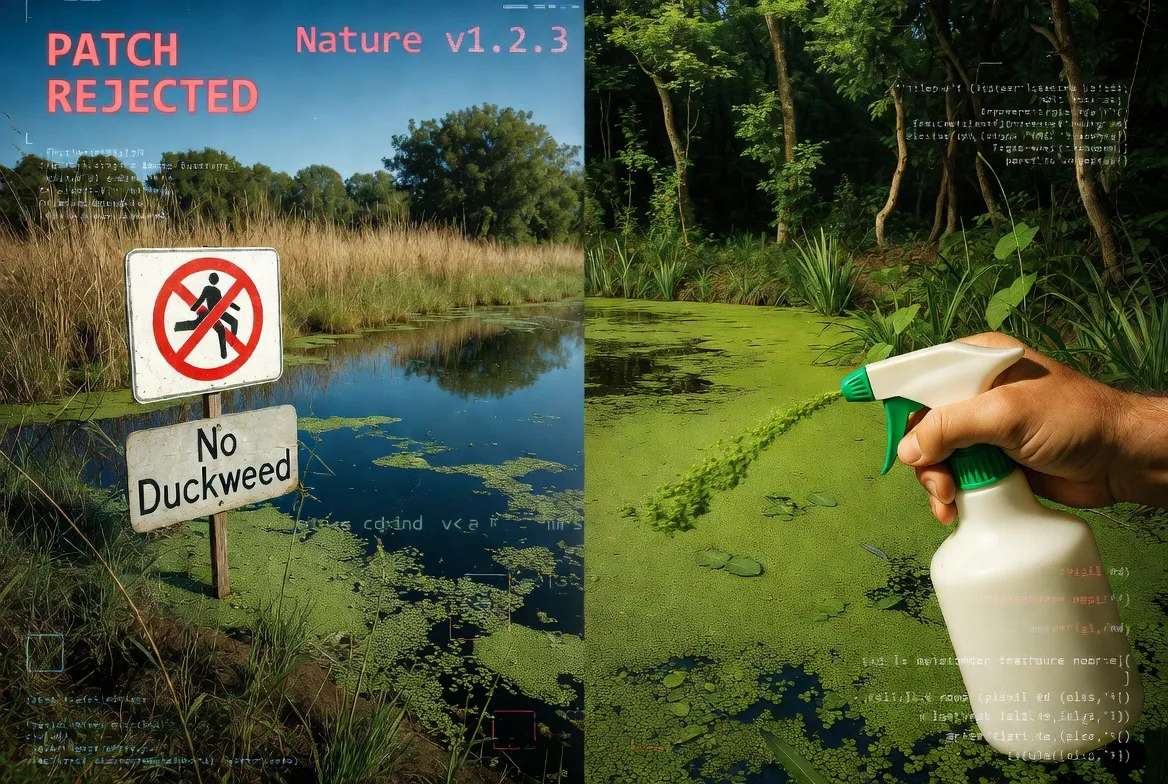
Water purification, protein production, and why we keep fighting free solutions.
Read it
While coastal cities sink, one island grows. It's self-building, sea-level resistant, fully furnished, and priced to move. Introducing the Great Pacific Garbage Patch — civilization's finest unintentional achievement.
Read it
Lake Huron looks crystal clear because the web is collapsing underneath. Clarity isn't redemption—it's a death mask.
Read it
How one man slashed global CO₂ using nothing but horses, composite bows, and a remarkably effective approach to eliminating emissions at the source.
Read it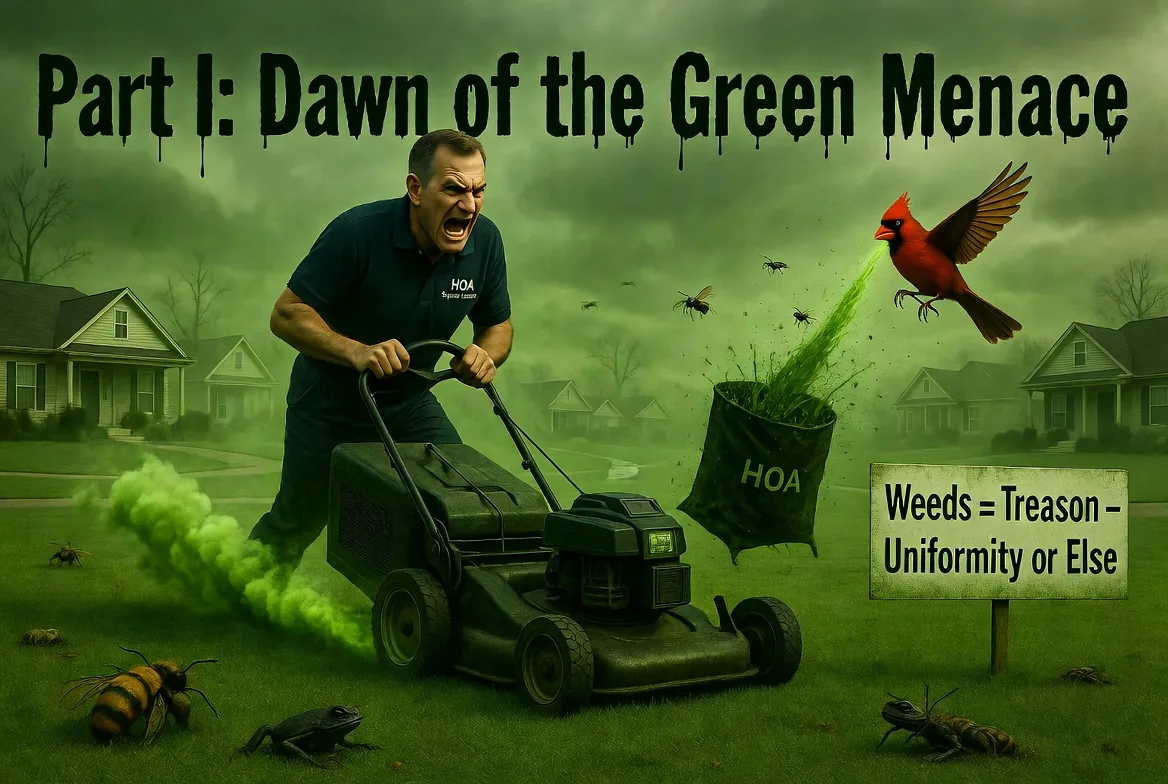
Lawns are thirsty, loud, and biologically bankrupt. Mulch the monoculture and seed the chaos.
Read it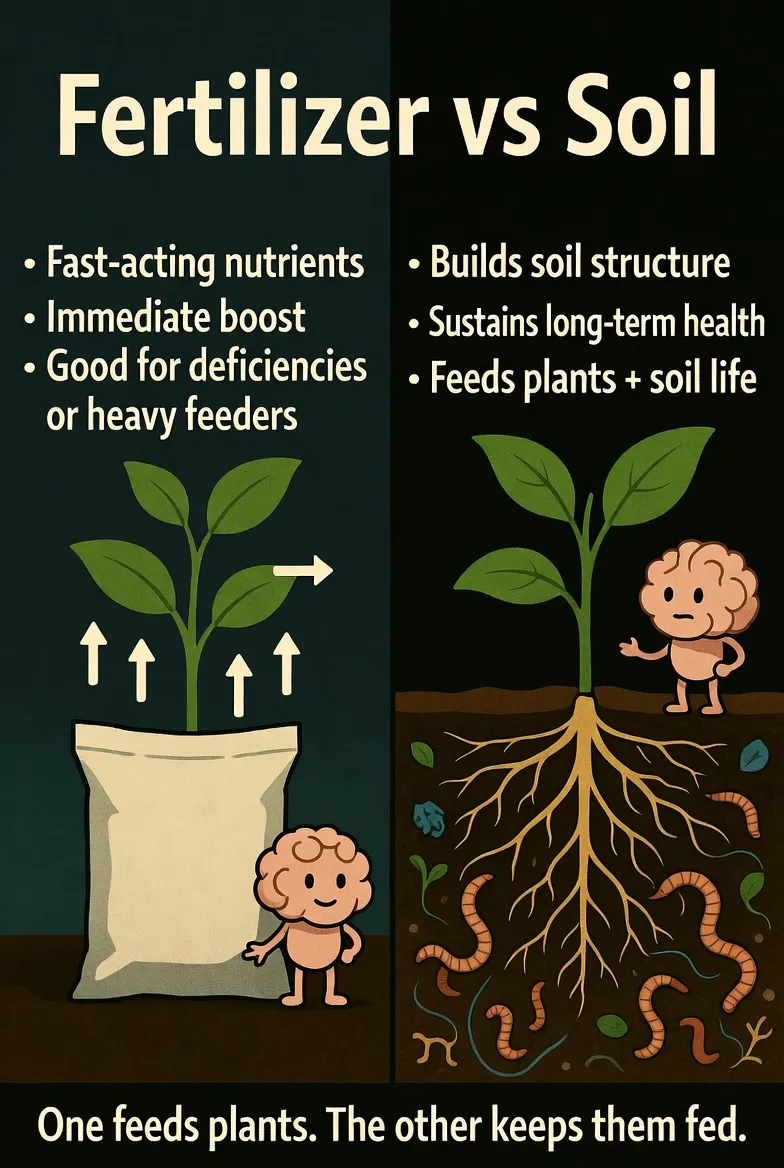
Most plant problems don't start with a lack of nutrients — they start with how those nutrients are delivered.
Read it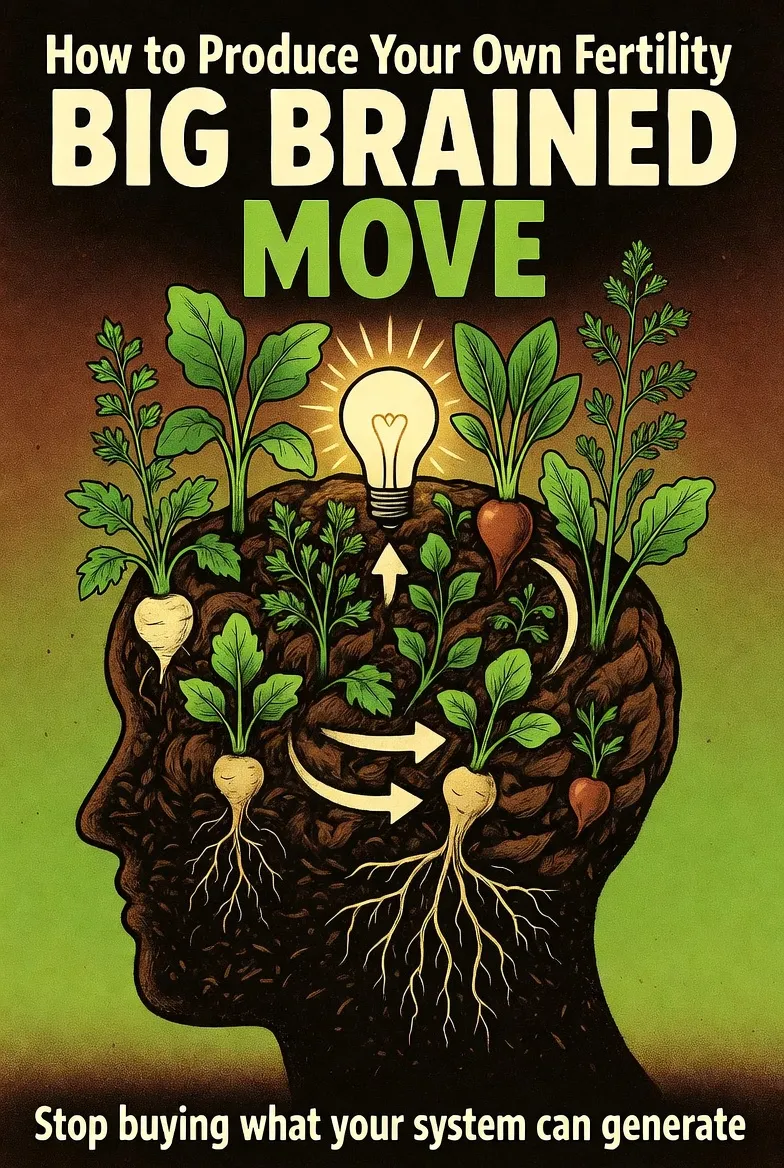
Stop buying what your system can generate. Most fertility already exists on-site — the difference is whether you keep it or throw it away.
Read it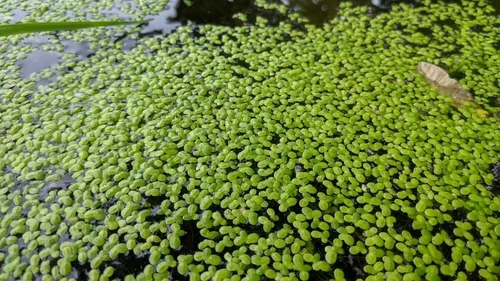
Re-evaluating a Misclassified Aquatic Resource.
Read it
Why plant families matter for companion planting, crop rotation, pest cycles, guild design, seed saving, and resilient food systems.
Read it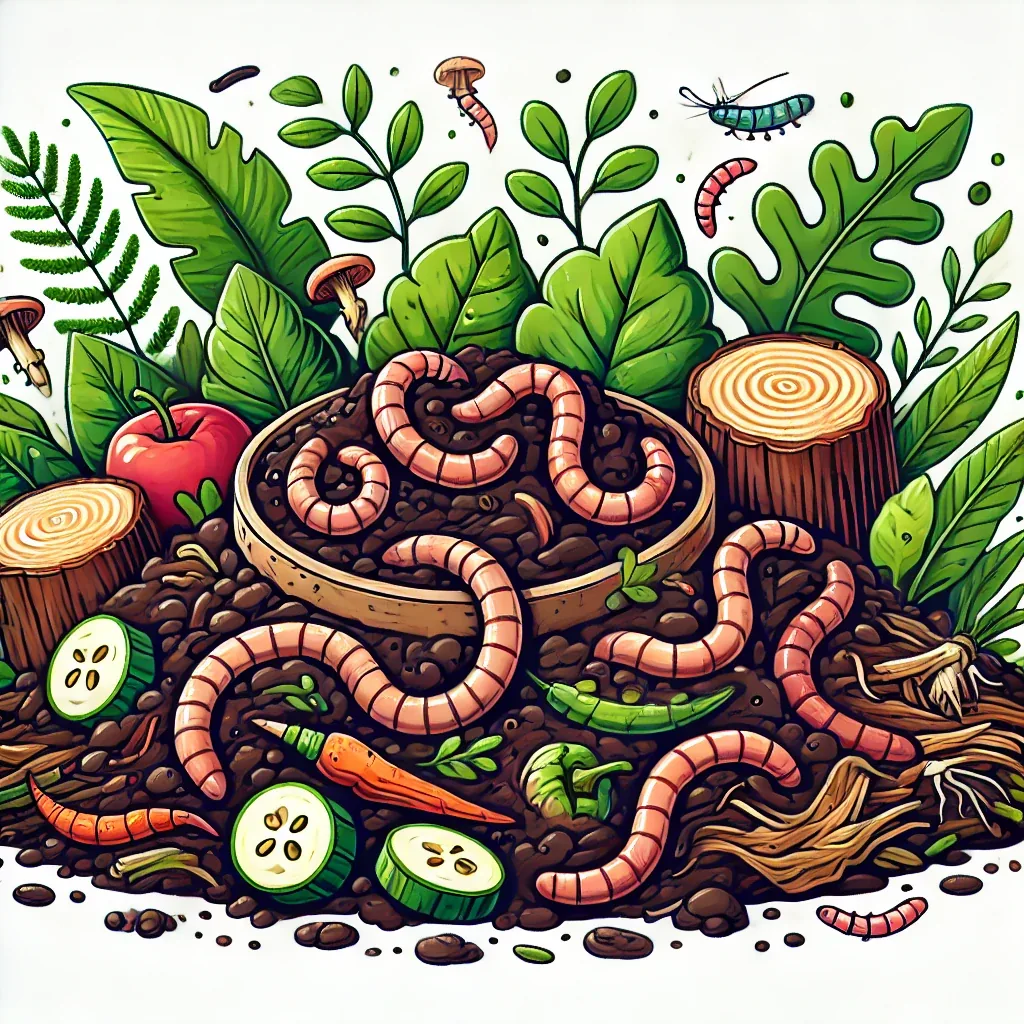
Turn kitchen scraps into living, microbe-rich compost with red wigglers (Eisenia fetida). Setup, feeding, harvesting, and fixes.
Read it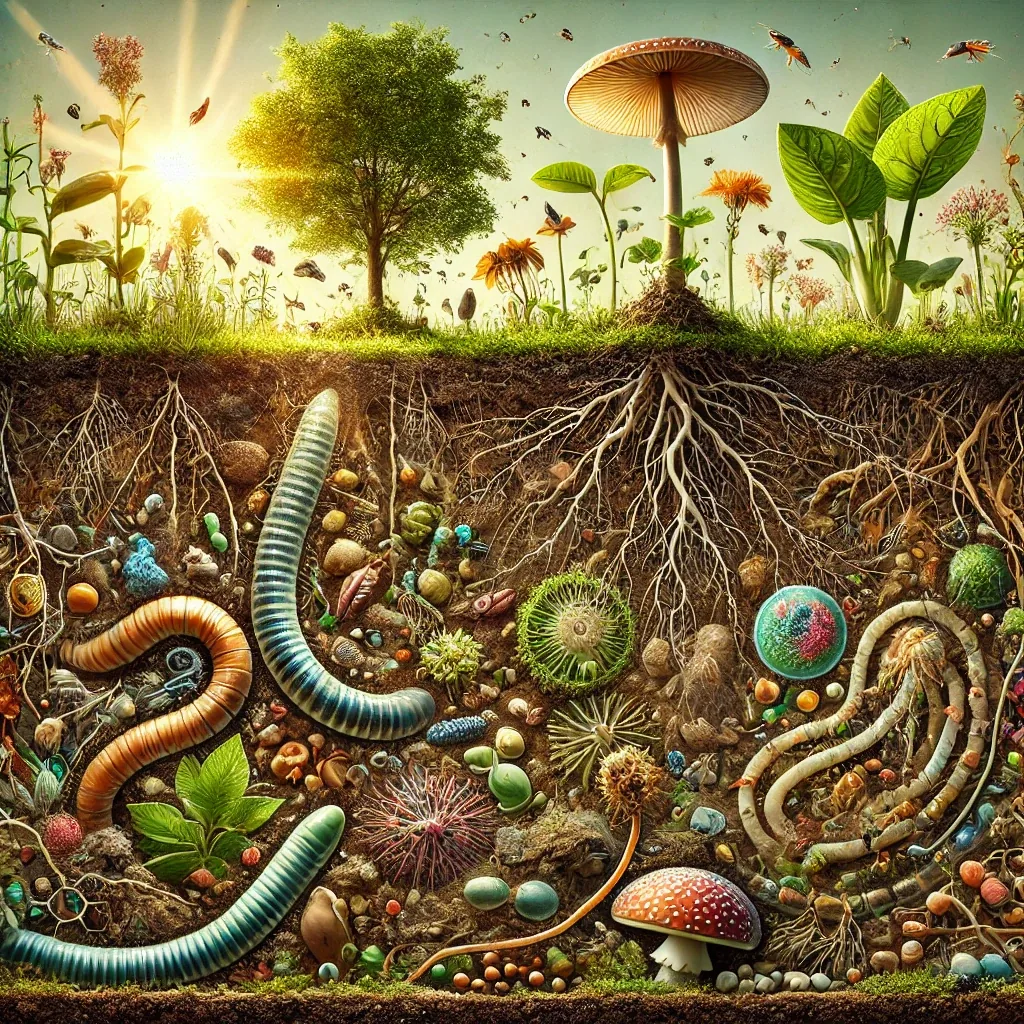
Soil isn’t dirt—it’s a living engine. How microbes, structure, and regenerative practices drive fertility, carbon storage, and resilience.
Read it
What Moringa oleifera is, why it’s praised nutritionally, traditional uses, and practical ways to include it—plus a few cautions.
Read it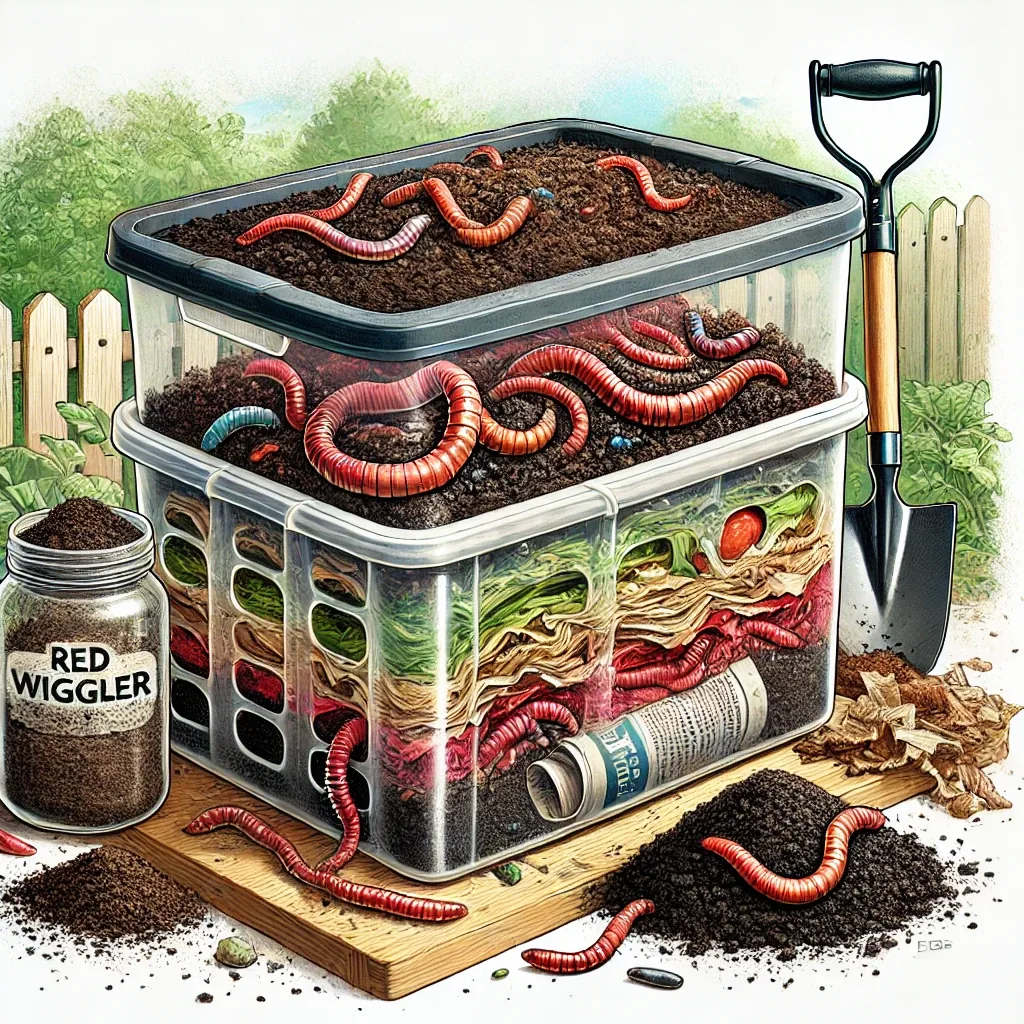
DIY worm bin setup: drill the tote, add bedding, feed red wigglers, harvest castings. Simple, cheap, indoor-friendly.
Read it
What turmeric is, why people use it, and practical ways to add it to food and daily routines—plus tips to improve absorption.
Read it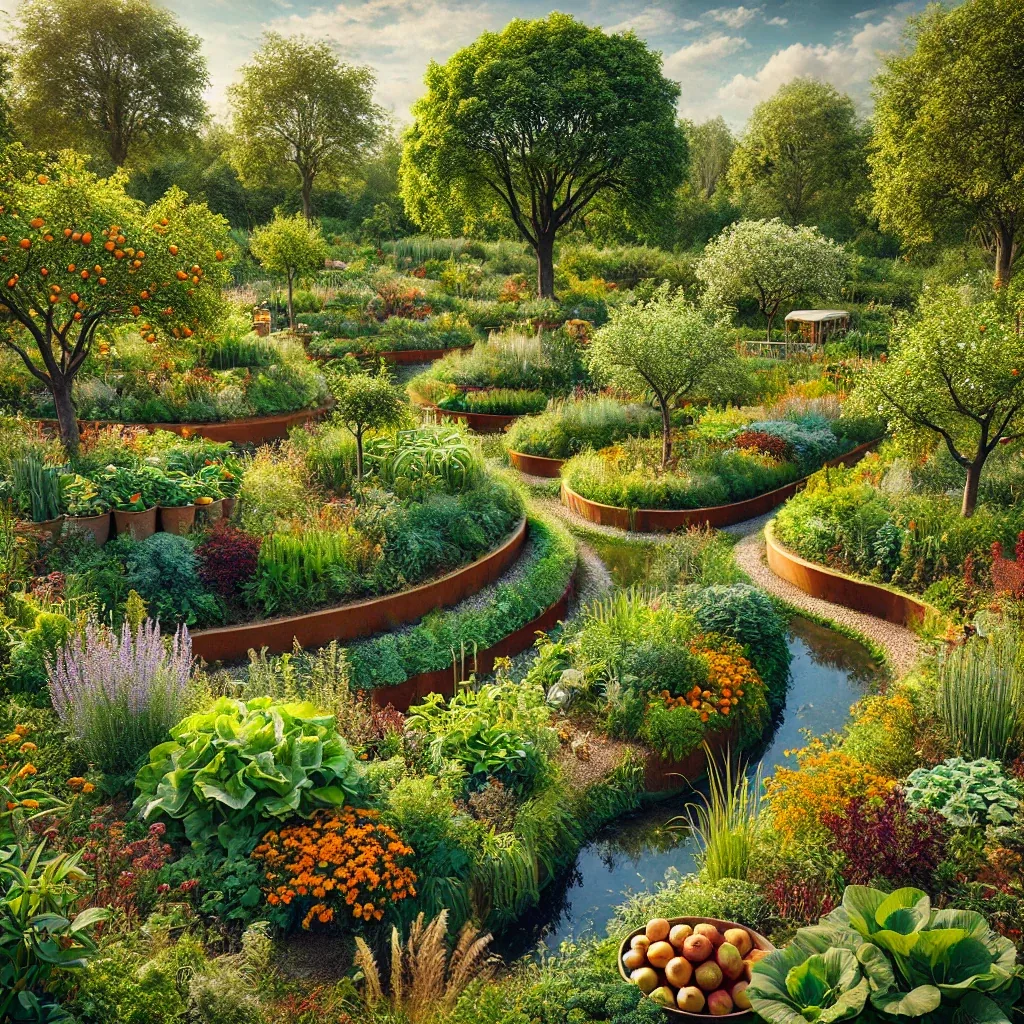
Mollison’s ethics, water-and-soil design, ecological indicators, and quietly radical tactics for creating regenerative systems.
Read it