About
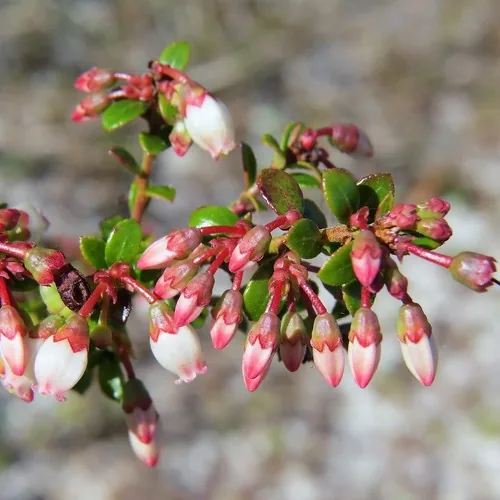
Shiny blueberry (*Vaccinium myrsinites*) is a low, rhizomatous native blueberry of pine flatwoods and sandhills — glossy little leaves, small tasty fruit, and a refusal to impersonate a 6-foot northern highbush. It spreads into colonies that stabilize sandy acid soils and feed wildlife (and humans who kneel politely). subtropical and tropical Americas: a righteous native layer under pines and with other ericaceous species; do not expect bucket yields — expect authenticity. 💧 Sun and Water: Full sun to bright part-shade. Sandy, acidic, well-drained soil; tolerates dry spells once established. Mulch with pine needles or pine bark. Propagation: Rhizome division during warm wet weather. Cuttings: softwood or semi-hardwood in humid propagation setups. Seeds: cold stratify; slow. Transplant small chunks with roots rather than bare rhizome jerky. 🌾 Harvest / Best Use Timing: Shiny Blueberry: pick berries when fully colored and detach with a gentle tug -- whitish bloom still present is fine. Cool mornings beat hot afternoons for shelf life; chill soon if not eating the same day. Freeze dry on trays before bagging so berries do not fuse into a single ice meteor.
Permaculture Functions
- Edible: Vaccinium myrsinites tiny teal berries demand crouching patience -- taste intensely of pine understory resin when sampled fresh off sandhill mats.
- Wildlife Attractor: Thrushes beat you to ripe clusters -- spring bell flowers feed specialist bees still waking before canopy closure.
- Ground Cover: Rhizomatous ankle-high thickets stitch wiregrass openings -- spreads without shading sand oak seedlings below.
- Pollinator: Urn-shaped blooms hang early enough to supply nectar -- flowers before domestic blueberries open two counties north.
Companion Planting
Also mentioned as companions:
- Pine
Not yet profiled in PermiePortal
- Lime, ash amendments, and alkaline irrigation
Threats & Pressure