About
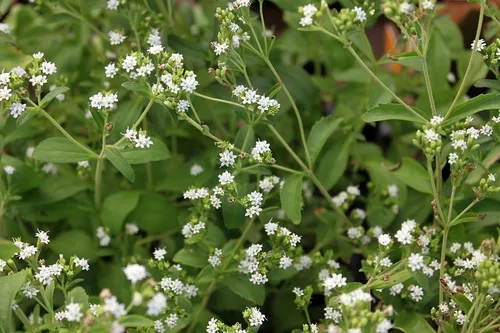
Stevia (Stevia rebaudiana) is a tender herbaceous perennial whose leaves pack intense sweetness from steviol glycosides—useful where you want sweetness without sucrose drama in drinks and preserves. Plants branch into bushy mounds with soft serrated leaves and small white flowers that bees visit if you allow bloom (flavor quality often drops once plants shift energy to seed). It thrives in warm seasons with bright light and steady moisture, and it fits herb spirals, raised beds, and patio pots that move indoors when frost threatens. Full sun for highest leaf sweetness; light afternoon shade in hottest subtropical summers reduces tip burn. Consistent moisture in well-drained, fertile soil; drought makes leaves thin and mean. Protect from hard frost; stems die back but roots may resprout in mild zones if mulched. Softwood cuttings root quickly in warm, humid media. Seeds are tiny and variable; named selections are usually cloned. Divide crowded clumps in spring when new shoots appear. Harvest leaves before heavy flowering for sweetest glycoside profiles. Dry whole stems in airflow, then strip; powder leaves or make alcohol tinctures depending on your kitchen religion. Tiny amounts replace sugar—overdoing it reads bitter, not generous.
Permaculture Functions
- Edible: Stevia rebaudiana fresh leaf tips sweeten tea with steviol glycosides -- dry slowly so bitter late-season alkaloids do not overpower the candy note.
- Medicinal: Concentrated extracts drive grocery shelf sugar swaps while whole-leaf chemistry stays milder -- respect pediatric dialysis guidance because pharmaceutical potency dwarfs garden nibbles.
- Border Plant: Compact subshrubs line greenhouse doors for weekly sweet-leaf harvest -- without shading low pepper rows.
- Pest Management: Intense diterpene sap discourages rabbit browse along beds -- where lettuce would vanish overnight.
- Pollinator: Tiny white disk flowers feed mini bees if you delay deadheading -- commercial growers often pinch blooms to keep leaf glycosides peak.
Companion Planting
- Fennel
Threats & Pressure