About
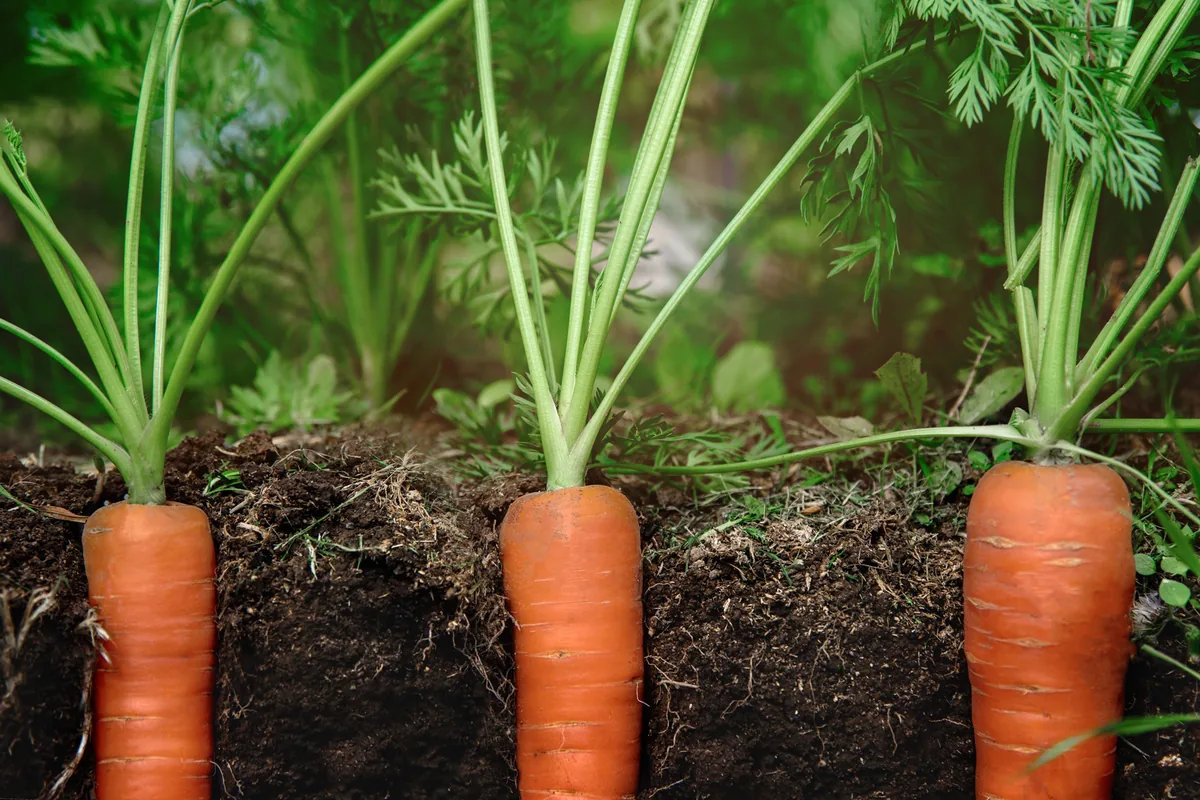
Carrot (Daucus carota subsp. sativus) is a biennial root vegetable grown for its edible taproot. It develops long, cylindrical roots in shades of orange, purple, red, yellow, and white, depending on the variety. The plant has feathery green foliage and produces clusters of small white flowers in its second year if not harvested. Carrots prefer loose, sandy, or loamy soil free of rocks to encourage straight root development. They are a cool-season crop that grows best in mild temperatures and requires consistent moisture for optimal growth. 🌞💧 Sun and Water Requirements: Prefers full sun but tolerates partial shade. Requires well-drained, loose, sandy or loamy soil. Needs consistent watering to prevent cracking and encourage even growth. 🫘 Methods to Propagate: Seeds: Direct sow outdoors 2–4 weeks before the last frost in spring. Succession Planting: Sow every 2–3 weeks for a continuous harvest. Regrowing: Carrot tops can regrow greens in water but will not produce a new root. 🧑🌾👩🌾 When to Harvest: Roots are ready for harvest 60–80 days after planting. Harvest when roots reach the desired size, typically 15–20 cm (6–8 inches) in length. Leave some plants in the ground to overwinter for seed production the following year.
Permaculture Functions
- Edible: taproots size for crunch storage while feathery tops flavor broths when young -- second-year umbels mean roots toughen once bolting begins.
- Medicinal: roots concentrate carotenoids and sugars that underpin folk liver and vision teas -- clinical claims still need measured diets, not juice hype alone.
- Pollinator: flat white umbels open in year two to feed tiny solitary bees, parasitoid wasps, and syrphid flies -- leave a few roots to bolt on purpose.
- Wildlife Attractor: seeds mature into dry schizocarps that finches and sparrows glean -- umbel architecture shelters predatory insects above carrot rows.
- Dynamic Accumulator: deep orange roots mine loose beds for potassium and phosphorus -- nutrients move into tops when plants are chopped at senescence instead of hauled away.
- Border Plant: rows edge onion and lettuce beds with a low feathery skirt that marks bed lines -- stays short enough not to shade neighboring crops.
Threats & Pressure