About
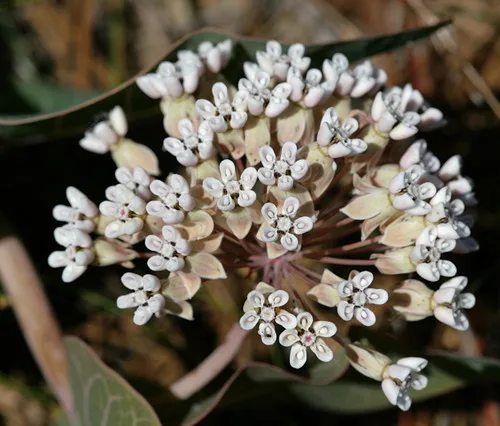
Sandhill milkweed (Asclepias humistrata) is a low, often prostrate milkweed of deep sandy pine savannas and scrub in the southeastern United States, with oval leaves and pale pink to cream flowers held above runners. Plants root at nodes and can carpet open sand under partial shade from pines. It is a larval host for monarch and queen butterflies in its native range. It suits xeric pollinator gardens with acidic sand, restoration of longleaf systems, and roadsides where irrigation is unavailable. Full sun to partial pine shade; extremely well-drained, low-nutrient sand is home territory. Avoid heavy clay and chronic irrigation. Sow seed after cold stratification, or transplant young plugs while roots are still flexible. Protect young plants from competing sod until established. Avoid cutting back during caterpillar season if supporting breeding; otherwise trim after seeds disperse to tidy edges.
Permaculture Functions
- Pollinator: Nectar supports diverse bees and wasps; foliage hosts Danaus larvae -- plant in wide patches so herbivory spreads across stems.
- Wildlife Attractor: Flowers and seed floss feed insects and birds respectively -- leave pods for late-season interest unless roadside aesthetics require removal.
- Erosion Control: Runners stabilize sandy banks -- reduces surface slump after thunderstorms in pine systems.
- Ground Cover: Low stature allows underplanting in savanna designs -- pairs with wiregrass analogs where ecotype matches.
- Ornamental: Soft pink blooms contrast with silver sand -- reads intentional when massed near path edges.
Companion Planting