About
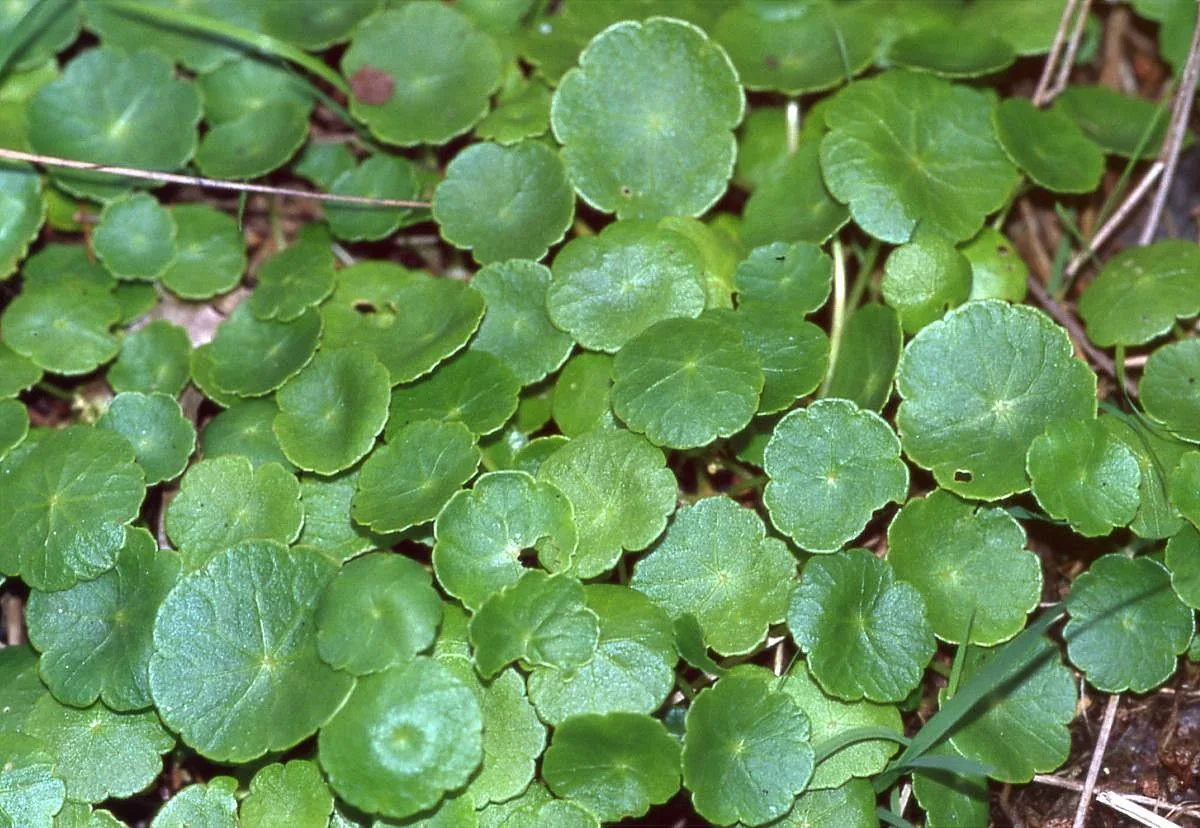
Marsh pennywort (Hydrocotyle umbellata) is a low, creeping wetland plant with round, peltate leaves like green coins and delicate umbels of tiny flowers. Stolons root at nodes, matting pond margins, ditches, and the wet shoulders of swales; in deep water it can form floating rafts. It is smaller and more herbaceous than the infamous giant floating pennywort (different species, worse manners). subtropical and tropical Americas: Common in subtropical and tropical wet habitats; useful for wildlife ponds, rain gardens, and constructed wetlands where you want living green pavement instead of algae sermons. Full sun to part shade; intense tropical sun may yellow leaves if water fluctuates wildly—some midday shade helps. Saturated soil to shallow standing water; tolerates periodic drawdown but not prolonged desert cosplay. Divide mats anytime in warm weather; anchor sections with a stone until roots grab. Stolons: pin a runner to wet soil or submerged gravel; sever from parent once anchored. Some cultures use related Hydrocotyle as a potherb; confirm ID and local toxicity guidance before nibbling—this database is not your stomach’s lawyer. For habitat use, trim rampant edges in wet season to guide spread and toss excess into compost or mulch berms while still fresh.
Permaculture Functions
- Ground Cover: Hydrocotyle umbellata stolons creep across mud, rooting at every node -- knits splash zones so sheet flow does not strip bare soil during summer thunderstorms.
- Aquatic: Round peltate leaves float or stand in inches of water -- bridges open water to upland sedges without needing deep submergence like duck potato.
- Wildlife Attractor: Tiny umbels feed minute flies and beetles while mats shelter tadpoles -- leave floating carpets if amphibian nursery matters more than golf-course tidy ponds.
- Edible: Some Asian traditions blanch tender stems -- positive ID matters because look-alike pennyworts vary in chemistry; when in doubt, use it as habitat, not salad.
Companion Planting