About
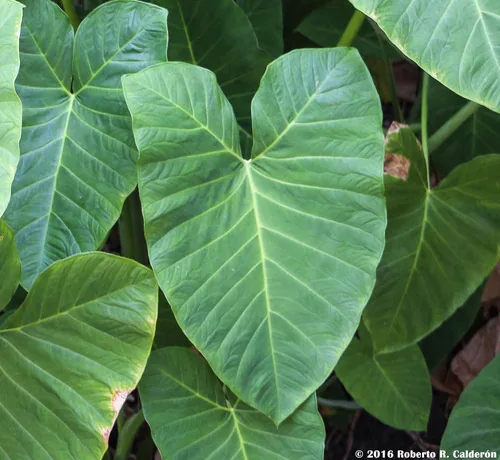
Tannia is a giant-leaf aroid grown for starchy corms and edible leaves where cuisines know what to do with calcium oxalate chemistry — cook it, do not audition for ER reality TV. It is a staple across the Caribbean and Latin America and behaves like a bolder cousin to taro in the landscape. subtropical and tropical Americas: summer lush, winter die-back in cold snaps; mulch corms in marginal zones or lift like fancy cannas. Part shade to filtered sun; harsh midday sun can bleach leaves. Consistent moisture; thrives in humid subtropical rhythm. Split offsets from parent clumps at start of warm season. Head corms harvested and replanted from best plants. Leaves look Jurassic; respect the cooking rules and they stay culinary, not medical. Tannia: dig tubers or roots after tops senesce or frost signals storage shift -- curing a few days at 50-60°F (10-16°C) sweetens some starches. Loosen soil wide first -- snapped necks invite rot in storage. Brush-dry before long storage; plastic totes without airflow grow penicillin cosplay.
Permaculture Functions
- Edible: Xanthosoma sagittifolia malanga-type corms need thorough cooking to neutralize calcium oxalate needles -- Caribbean kitchens already own the timelines newcomers should copy.
- Mulcher: Elephant-ear blades collapse into wet-zone mulch feeds bananas and taro guild mates -- after hurricanes shred canopy.
- Ornamental: Glossy sagittate leaves rise chest-high along pond decks -- where designers want tropics without importing actual Colocasia clones.