About
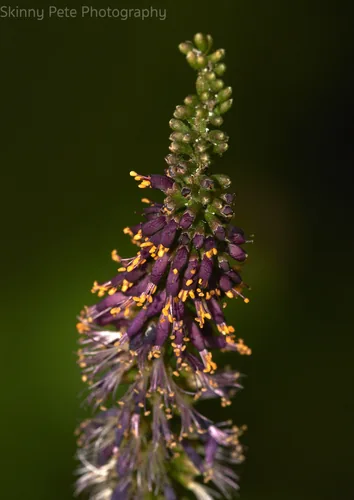
Wild indigo bush (Amorpha fruticosa) is a deciduous leguminous shrub of riverbanks, wet prairies, and disturbed moist ground across much of North America. Spikes of purple-blue flowers with orange stamens glow in early summer; compound leaves read soft gray-green. Deep roots fix nitrogen while stabilizing riparian soils, making it a backbone species for buffer strips and wet meadow restoration. Full sun for best bloom and nodule activity; tolerates light shade with looser habit. Tolerates wet soils and periodic inundation better than many shrubs; also handles average moisture once established. Not for dry xeric berms without irrigation. Scarify seed and sow after last frost or fall-sow outdoors; germination improves with warm water soaks. Hardwood cuttings taken in dormancy can root. Transplant young shrubs in cool wet weather. Not a primary human food; historical dye references exist for related species—verify chemistry before experiments. For conservation, cut old stems in late winter to encourage vigorous spring growth and leave some standing for insects.
Permaculture Functions
- Nitrogen Fixer: Amorpha fruticosa nodulates with cowpea-type rhizobia on wet-ground roots -- purple spikes add nitrogen-rich litter when stems die back.
- Wildlife Attractor: Orange-anthered purple racemes feed bumblebees; small seed persists in pods for winter finches -- leave thickets if you want sparrow cover.
- Erosion Control: Suckering roots armor riparian toes during spring floods -- classic buffer-strip shrub between crop and creek.
- Border Plant: Loose open habit reads meadow-shrubby -- mow margins if suckers jump into lawn; not a boxwood hedge.
Companion Planting
- Spreading clumps — suckers may appear in ideal wet sites; mow margins if containment matters
- False indigo name confusion — not Baptisia; different genus, different garden habits
Threats & Pressure
- Aphids
- Banded Cucumber Beetle
- Bean Aphid
- Bean Leaf Beetle
- Bean Weevil
- Corn Earworm
- Cowpea Curculio
- Fall Armyworm
- Japanese Beetles
- Kudzu Bug
- Locust Borer
- Locust Leaf Miner
- Lubber Grasshopper
- Pea Moth
- Pea Weevil
- Reniform Nematode
- Root Aphid
- Soybean Looper
- Spittlebugs
- Stink Bug
- Striped Cucumber Beetle
- Spotted Cucumber Beetle
- Brown Marmorated Stink Bug
- Harlequin Ladybird
- Velvetbean Caterpillar