About
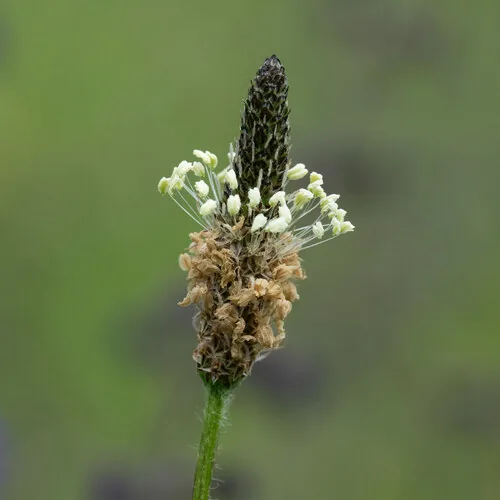
Ribwort plantain is the lawn weed that herbalists respect and turf purists spray. Basal rosette, tight flower spikes, pulls easy after rain—if you decide it owes you rent. Thrives in winter cool and mild seasons; can look tatty in brutal summer drought unless given a little shade and moisture. Sun and water: Full sun to part shade. Tolerates poor, compacted soil—that is the brand. Irrigate if you want lush leaves for harvest. Self-seeds abundantly; transplant rosettes when soil is moist. Snip tender Ribwort Plantain growth in cool mornings for best texture -- heat-stressed leaves taste like their day job. Flowers at full color for peak volatiles; seeds when pods rattle but before they self-sow across paths. Dry herbs in thin layers; deep piles steam themselves into compost.
Permaculture Functions
- Edible: Plantago lanceolata young strap leaves add mild bitterness to spring salads while seeds grind into psyllium-style mucilage when fully ripe -- harvest from clean margins; roadside soot tastes like regret, not terroir.
- Medicinal: Fresh leaf poultices and leaf tea appear in European first-aid for insect bites and minor wounds tied to aucubin content -- dry fast with airflow; moldy piles belong in compost, not apothecary jars.
- Dynamic Accumulator: Deep taproots pull calcium and magnesium from subsoil fractures into leaf ash that composts back onto beds -- chop before seed rain if you dislike editing plantain out of carrot rows next year.
- Animal Fodder: Rabbits, poultry, and goats nibble tender rosettes in rotational paddocks where plantain volunteers after overgrazing -- protein beats turf grass; still rotate species so animals do not monodiets on one weed.
Companion Planting
Threats & Pressure