About
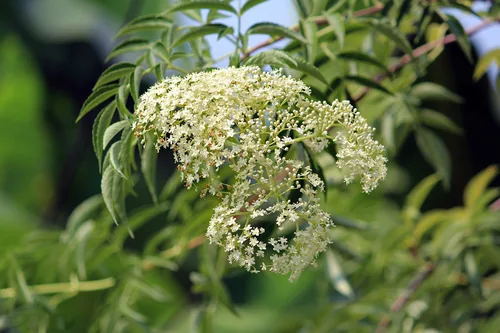
Elderberry Wine is a dark-leafed cultivar group of European black elder (Sambucus nigra) selected for deeply cut purple foliage and pink flower clusters, valued in temperate ornamental borders before fruit ripens to glossy black berries. Shrubs often reach 6–10 feet (1.8–3 m) unless renewed by hard pruning. While primarily landscape theater, ripe cooked berries follow the same food-safety rules as other elders—raw berries upset stomachs and bad processing writes memorable evenings. Full sun for richest foliage color; too much shade shifts leaves greener and reduces flower impact. Moist, fertile, well-drained soils mirror productive elder culture; drought turns leaf edges crisp during heat waves. Mulch root zones to buffer temperature and reduce weed string trimmer wounds at the base. Hardwood cuttings taken in dormancy root readily in cool humid media. Softwood cuttings in late spring can clone a known plant if humidity is managed. Seed from cultivars does not come true—vegetative propagation preserves leaf form. Pick flower umbels at full bloom for cordials where local law and sensitivity allow—leave plenty for pollinators. Harvest berries only fully ripe and process with established recipes; uncooked consumption is a bad idea regardless of influencer confidence. Rejuvenate older wood every few years to keep foliage vibrant near eye level.
Permaculture Functions
- Edible: Sambucus nigra 'Elderberry Wine' group still carries cyanogenic glycosides in bark, leaves, and unripe berries -- cook ripe black fruit and strain flowers for cordial using the same food-safety rules as wild-type elders, not influencer shortcuts.
- Ornamental: Deeply cut purple foliage holds color in full sun -- while pink corymbs read against green neighbors on 6-10 foot multistem shrubs in zone 4-8 borders.
- Wildlife Attractor: Early flat umbels feed honeybees before summer composites peak -- ripe glossy berries draw cedar waxwings unless netting matches their migration calendar on your row.
- Border Plant: Upright vase habit backs mixed hedges and screens property lines -- where you want elder products without planting anonymous green seedling hedgerows alone.
Companion Planting
- Raw berries and other green parts — contain compounds that cause illness until properly processed
- Fire Blight — watch rosaceous-adjacent disease complexes in humid springs on stressed growth