About
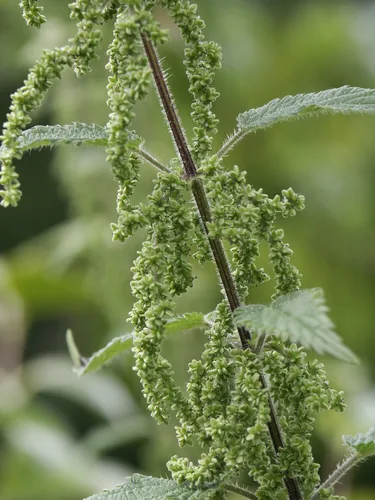
Urtica dioica is nature's spicy spinach: nutrient-dense leaves and shoots if you cook or dry them, and microscopic hypodermic hairs if you brush them wrong. Loves rich, disturbed, moist soils — ditches, barnyards, and the edge of your compost pile all qualify. In hot humid climates treat it as a cool-season champion that may sulk in the dead of summer without shade and moisture. Part sun to light shade in hot climates; tolerates more sun where summers are mild. Consistent moisture; classic riparian / fertile bottomland energy. Nitrogen-happy soil — think compost, not sand starvation. Root divisions in cool weather relocate clumps fast. Seeds: tiny; surface sow or lightly cover in moist flats. It self-sows where happy; contain if your HOA has opinions. Young tops before flowering, with gloves; blanch, steam, or dry to neutralize the sting.
Permaculture Functions
- Edible: Young Urtica dioica tops wilt to spinach texture after steaming or blanching because heat collapses the silica hypodermic needles -- dry for winter tea without touching bare skin during harvest.
- Medicinal: Freeze-dried leaf appears in modern trials for seasonal allergy support while root extracts show prostate symptom studies -- separate kitchen-greens use from concentrated extracts and check drug interactions before daily dosing.
- Dynamic Accumulator: Spring leaf tissue runs high in magnesium, iron, and calcium pulled from rich damp soils -- chop early growth into comfrey-heavy compost piles to feed thermophilic peaks without importing mined minerals.
- Animal Fodder: Dried hay mixes up to ten percent nettle with grass in dairy rations for trace mineral bump -- fresh wilted bundles still sting mouths; ensile or dry before feeding naive animals.
- Mulcher: First-cut before flowering drops a nitrogen-heavy green manure that breaks down before summer solstice heat -- leave a flowering strip at field edge if you want seeds for intentional replanting.
Companion Planting
- Planting where kids, pets, or barefoot permies traffic daily
- Bone-dry shadeless sand — it will ghost you