About
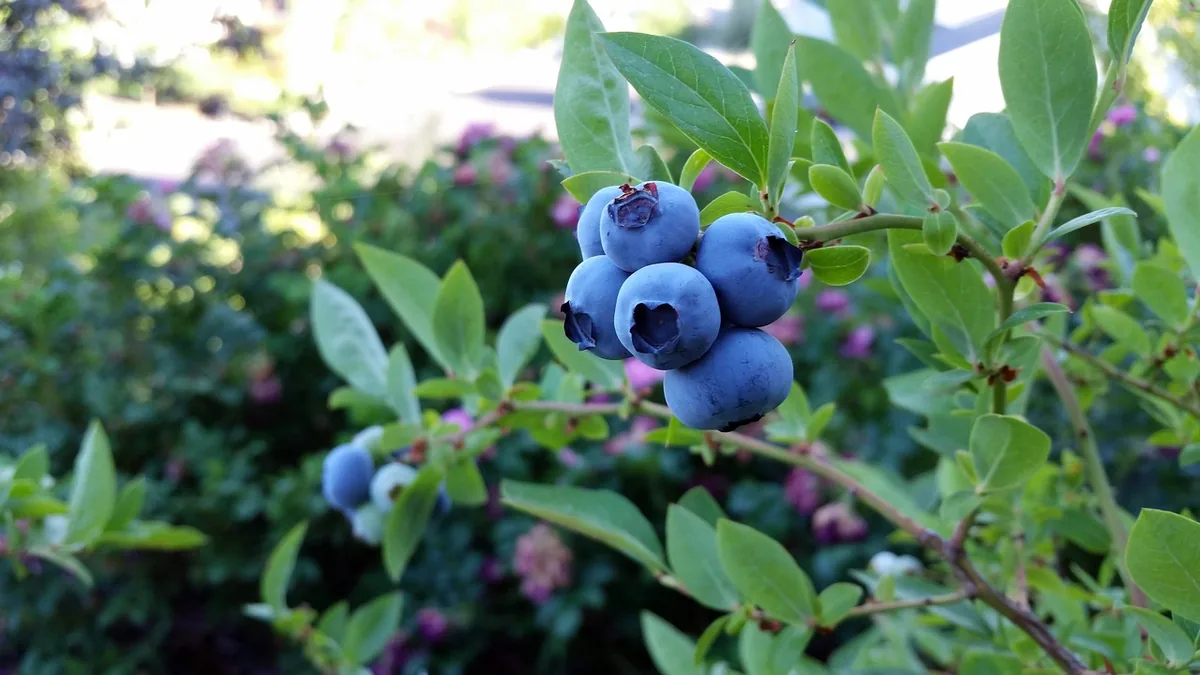
Blueberry (Vaccinium spp.) is a deciduous or evergreen shrub, depending on the variety, known for its small, nutrient-rich blue berries. The plant typically grows between 30 cm–2.5 meters (1–8 feet) tall, with bell-shaped white or pink flowers in spring that develop into edible berries by summer. Blueberries require acidic soil (pH 4.5–5.5) and prefer well-drained, sandy, or loamy soils rich in organic matter. They thrive in temperate climates and require chilling hours to produce fruit, though some varieties are adapted to warmer climates. They are commonly grown in gardens, orchards, and food forests. Prefers full sun but tolerates partial shade. Requires consistently moist, well-drained soil high in organic matter. Sensitive to drought; mulch helps retain soil moisture. Seeds: Can be grown from seed but takes several years to bear fruit. Cuttings: Hardwood and softwood cuttings root well in moist soil. Layering: Burying a low branch encourages rooting and new plant growth. Berries ripen in mid to late summer, depending on the variety. Ripe berries turn deep blue and easily detach from the stem. Harvest frequently to encourage continued fruiting.
Permaculture Functions
- Edible: Ripe Vaccinium berries detach with a tick and stain fingers blue -- eat fresh, freeze on trays, or reduce for jam; rabbiteye types need two cross-compatible cultivars in overlapping bloom or set stays light on single clones.
- Medicinal: Anthocyanin-rich fruit shows up in studies on vascular and cognitive aging -- treat that as diet-level support, not a capsule replacement for prescribed care, and separate fruit snacks from leaf or bark experiments you have not vetted.
- Pollinator: Bell-shaped white to pink clusters hang under new wood in spring when orchard apples are already done -- native bees and Andrena specialists work the narrow corolla better than short-tongued generalists.
- Wildlife Attractor: Catbirds and mockingbirds learn your earliest ripening bush by July -- net whole cages or plan a sacrificial end row so you still get kitchen quarts.
- Mulcher: Annual cane tips you prune in dormancy chip into acidic mulch that matches the root zone pH blueberries expect -- pine needle topdress continues the same chemistry without importing peat every year.
- Dynamic Accumulator: Fine fibrous roots paired with ericoid mycorrhizae mine potassium and manganese from weathering sand beds -- when you rake fallen leaves into the row, those minerals recycle into the shallow root bowl instead of washing downslope.
- Erosion Control: Shallow dense matting holds pine-bark mulch and drip irrigation in place on 5 to 15 percent slopes -- where bare mineral soil would sheet during summer storms.
- Border Plant: Tight hedge spacing at three to four feet on center makes a living fence tall enough to screen compost bins yet short enough to net without scaffolding -- bloom faces outward for pollinator access.
Companion Planting
Also mentioned as companions:
- Clover
- Pine
Not yet profiled in PermiePortal
- Tomato
- Potato
- Pepper
Threats & Pressure
- Aphids
- Blueberry Maggot
- Cranberry Fruitworm
- Cranberry Tipworm
- Japanese Beetles
- Sparganothis Fruitworm
- Spider Mites
- Strawberry Root Weevil
- Vine Weevil
- White grubs
- June beetle grubs
- Chafer grubs
- Root feeding grubs
- Armored scale
- Tea scale
- Twig borers
- Lace bugs
- Treehoppers
- Root Aphid
- Glass snails
- Leatherleaf slug
- Gall wasps
- Azalea Caterpillar
- Jumping worms