About
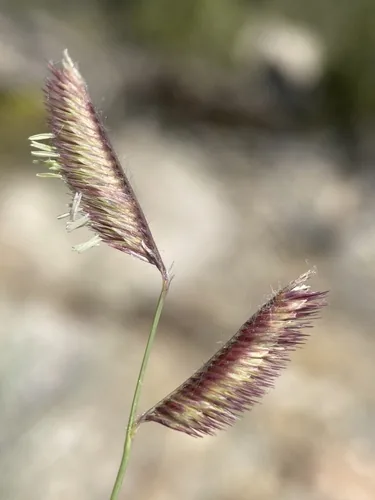
Blue grama (Bouteloua gracilis) is a warm-season bunchgrass of shortgrass prairie and dry foothills from central Canada to Mexico, famous for eyebrow-shaped one-sided seed heads that hover above fine blue-green blades. It typically grows 6–20 inches (15–50 cm) depending on rainfall, forming dense tufts that outcompete weeds once established. In permaculture it is a low-input lawn alternative, path edge stabilizer, and forage component that respects water budgets better than cool-season turf cosplay. Full sun; shade weakens stands and invites weed takeover. Extremely drought-tolerant with deep roots after establishment; occasional deep watering speeds establishment the first year. Tolerates alkaline, rocky, and lean soils; hates prolonged waterlogging without air. Sow seed in warm soil after frost risk; keep weed pressure down while seedlings are tiny. Divide dormant bunches in early spring for landscape plugs. Use local ecotype seed when restoring rainfall patterns matched to your site. For grazing, rotate before severe defoliation during drought—warm-season grasses recover from crown reserves when rain returns. For seed harvest, collect when spikelets dry and detach; ornamental mowing can wait until after winter interest if you like the seed-flag aesthetic.
Permaculture Functions
- Ground Cover: Bouteloua gracilis bunches stitch into short warm-season turf on sun-baked flats -- where cool-season grasses brown out by July.
- Animal Fodder: Young leaves stay palatable for sheep and cattle -- if you rotate before seed stalks lignify, because protein dives once one-sided spikes fully extend.
- Erosion Control: Dense fibrous roots bind disturbed road cuts and terrace faces in dry climates -- where shallow-rooted weeds wash first.
- Ornamental: Eyebrow-shaped spikes hover an inch above blades -- catch low winter light coppery tan against snow.
- Wildlife Attractor: Sparrows and harvest mice work seed heads in fall -- while basal tufts hide overwintering crickets at soil level.
Companion Planting
- Heavy shade — thins to moss and disappointment unless you redesign for shade-tolerant species
Threats & Pressure