About
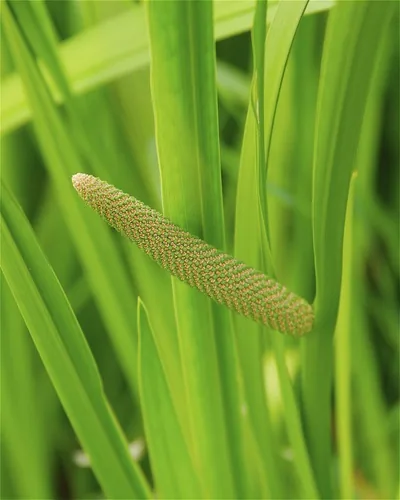
Sweet flag (Acorus calamus) is a sword-leaved marginal aquatic: fans of aromatic, parallel-veined leaves rising from thick rhizomes at pond edges, ditches, and bog gardens. European and Asian lineages differ in ploidy; North American gardeners sometimes grow Acorus americanus for native plant pedigrees—both read as “cattail’s stylish cousin.” subtropical and tropical Americas: Excellent for pond shelves, rain-garden swales, and container water features where roots stay wet but crowns get air. Puerto Rico’s wet season is native habitat energy if pots do not cook in full sun without water movement. Heat plus stagnant water invites stink and mosquitoes—design circulation like you mean it. Full sun to part shade; afternoon shade helps foliage color in hottest sites. Saturated roots or shallow submersion; never let potted specimens dry to straw. Divide rhizomes in spring; each section needs growing tips and immediate placement in moist soil or shallow water. Offsets from container clumps separate easily after a season of growth. Rhizomes historically used in tiny amounts for flavoring and herbal traditions—modern safety varies by chemotype; research before internal use. Clip yellow leaves anytime; major division doubles stock better than wishful thinking.
Permaculture Functions
- Medicinal: Acorus calamus aromatic rhizomes anchor Ayurvedic and Chinese materia medica entries -- beta-asarone chemistry means pregnancy and liver conversations belong with clinicians.
- Water Retention: Thick rhizome sod slows ditch overflow -- while trapping silt loads from upland corn fields before water hits koi ponds.
- Ornamental: Sword fans and gold-variegated selections trace pond coping stones -- without turfgrass maintenance contracts.
Companion Planting
Also mentioned as companions:
- Water Iris
Not yet profiled in PermiePortal
- Water hyacinth — floating mats shade marginals and crash dissolved oxygen when unmanaged in still water.
- Alligatorweed — aggressive stems smother shallow shelves and turn pond edges into monoculture soup.
Threats & Pressure