About
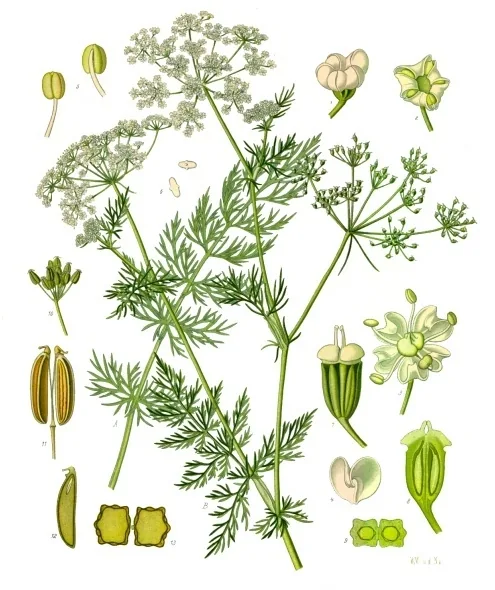
Cumin is an ancient annual umbellifer grown for its ridged seeds — warm days, sharp drainage, and low humidity make it happy. subtropical and tropical Americas is not its favorite office: summer wetness invites foliar funk, so treat it like a dry-season experiment in raised beds or containers, or grow it in the coolest slice of spring you can steal. Leaves are edible but mild; the prize is the seed head harvested when brown and fragrant. 💧 Sun and Water: Full sun and excellent drainage; wet feet are a hard no. Moderate water while growing; ease off as seeds mature. Sandy-loam mixes beat heavy clay; airflow matters. Propagation: Seed: direct-sow after last frost when soil is warm; barely cover. Thin for airflow; crowded cumin invites powdery issues. 🌾 Harvest / Best Use Timing: Snip tender Wild Cumin growth in cool mornings for best texture -- heat-stressed leaves taste like their day job. Flowers at full color for peak volatiles; seeds when pods rattle but before they self-sow across paths. Dry herbs in thin layers; deep piles steam themselves into compost.
Permaculture Functions
- Edible: Cuminum cyminum ridged seeds are the jeera in dal -- whole plant is heat-shy; grow in cool spring or high-elevation dry season pockets.
- Medicinal: Cuminaldehyde drives digestive teas -- therapeutic doses still track kitchen spice levels unless you work with standardized extracts.
- Pollinator: Fine pink umbels attract parasitoid wasps and mini bees -- interplant with cilantro for staggered Apiaceae bloom.
- Border Plant: Wispy blue-green foliage lines dry herb rows -- thin soil and air movement beat fertilizer for oil concentration.
Threats & Pressure