About
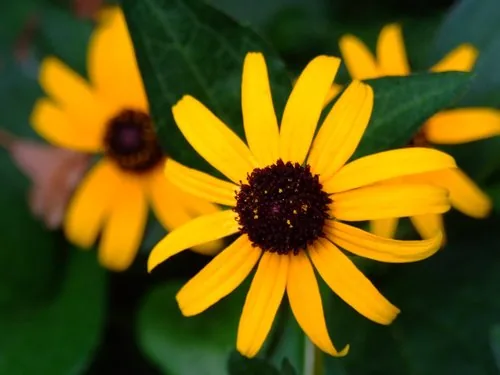
Orange coneflower (Rudbeckia fulgida) is a durable perennial sunflower relative of eastern and central North American meadows, bearing golden orange rays around a dark central cone through the warm months. Plants typically reach 2–3 feet (60–90 cm), spreading into dense clumps that laugh at mediocre soil if drainage exists. It is a workhorse in pollinator strips, rain-garden berms, and any sunny border that needs color without coddling. Full sun for strongest stems and richest color; light shade yields fewer flowers. Average to moist, well-drained soils are ideal; tolerates short drought once established but benefits from deep watering during heat waves. Avoid standing water over crowns in humid weather. Divide clumps in spring or fall; pieces establish quickly in warm soil. Sow seed outdoors in fall or cold-stratify 30 days for spring trays. Cut back dead stems in late winter if you dislike the tufted look, or leave them for finch seed. Cut long stems for bouquets when rays are fully open and cones firm. Leave late heads for birds and winter structure. Deadheading extends bloom but reduces self-sowing—choose your philosophy.
Permaculture Functions
- Pollinator: Rudbeckia fulgida composite heads present shallow nectar and pollen to small native bees, longhorn beetles, and checkerspot butterflies through heat-stressed midsummer -- deadhead only if you hate goldfinch seed later.
- Wildlife Attractor: Dark cones mature into finch buffets while hollow stems house overwintering cavity-nesting bees if you delay mowing until spring warm -- leave standing stems through frost for honest insect hotel architecture.
- Ornamental: Orange ray petals around chocolate disks read as prairie color without hybrid fluff -- reblooms after shearing first wave if moisture stays steady and mildew pressure is low.
- Border Plant: Two-foot clumps edge paths, parking islands, and vegetable beds without casting deep shade on low crops -- divide every few years when centers go woody and flower count drops.
Companion Planting
- Overwatering + poor air — leaf spots invite gossip; thin nearby competitors
- Name collision—many “black-eyed Susans” exist; this entry is Rudbeckia fulgida complex
Threats & Pressure