About
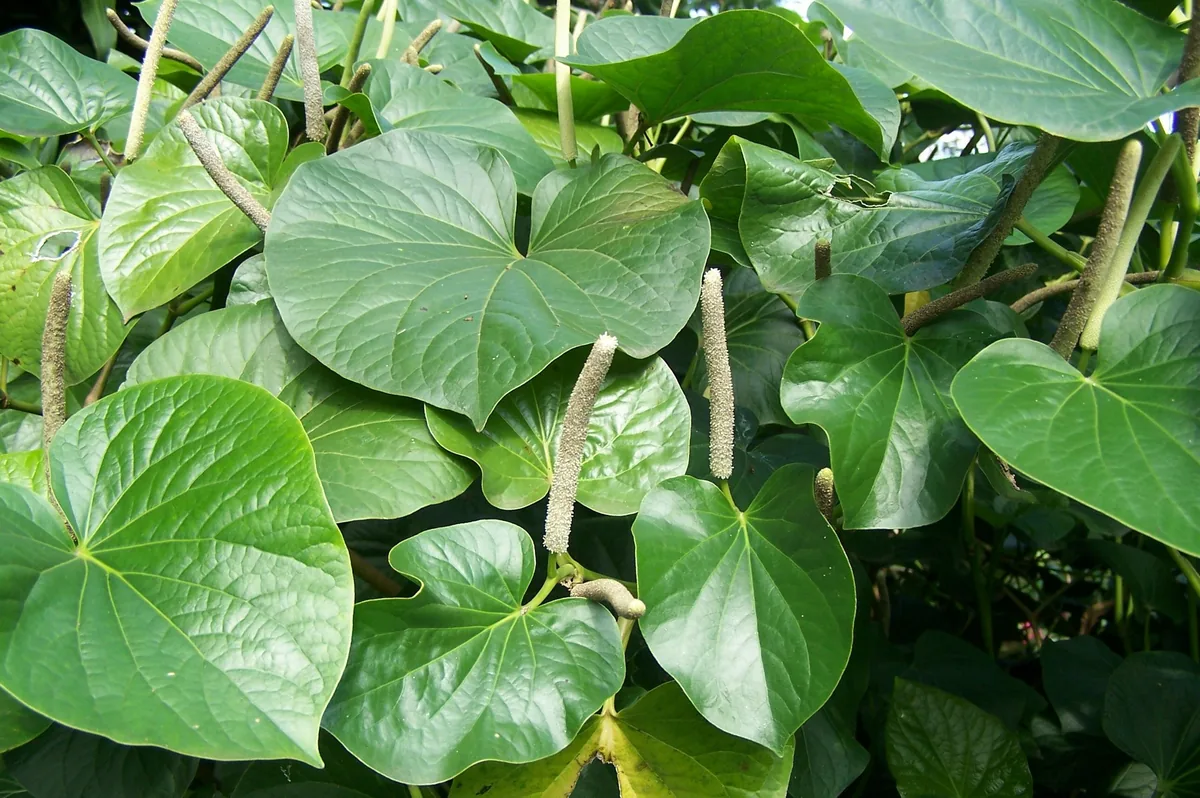
Piper species are a diverse group of plants ranging from herbaceous shrubs to woody vines. Notable species include Piper nigrum (Black Pepper), a climbing vine producing the well-known peppercorns; Piper betle (Betel Leaf), a vine with heart-shaped leaves used in traditional practices; and Piper auritum (Root Beer Plant), recognized for its large, aromatic leaves with a root beer scent. These plants typically thrive in tropical climates with high humidity and temperatures between 60°F and 90°F (15°C to 32°C). They prefer partial shade and well-draining, moist soils rich in organic matter. Sun: Partial shade to dappled sunlight. Water: Keep soil consistently moist but not waterlogged; high humidity is beneficial. Cuttings: Most Piper species propagate well from stem cuttings. Select healthy, disease-free stems about 4-6 inches (10-15 cm) long, remove the lower leaves, and plant them in a moist, well-draining medium. Maintain high humidity and warm temperatures to encourage rooting. Seeds: Some species can be grown from seeds, though germination may be slow. Sow seeds on the soil surface, lightly press them in, and keep the medium moist and warm. Black Pepper (Piper nigrum): Harvest spikes when one or two fruits at the base begin to turn red, typically 3-4 years after planting. Betel Leaf (Piper betle): Leaves can be harvested once the plant is established, usually within a year. Root Beer Plant (Piper auritum): Leaves can be picked as needed once the plant reaches sufficient size.
Permaculture Functions
- Edible: Piper nigrum vines yield green, black, and white peppercorns from the same drupe processed differently; Piper auritum leaves wrap tamales with root-beer sassafras aroma -- betel quid chemistry in P. betle is addictive and carcinogenic; keep cultural use inside informed adult choices.
- Medicinal: Piper methysticum and P. sarmentosum lines supply kavain and chavicine-class actives in Pacific and Southeast Asian materia medica -- liver enzyme interactions and regional law vary; treat extracts as pharmacy-adjacent, not casual tea experiments.
- Pollinator: Spikes of tiny naked flowers exude oil-rich pollen collected by stingless bees and specialized flies in humid understory -- flowering piper posts need shade cloth, not full-sun tomato timing.
- Wildlife Attractor: Fruiting spikes feed fruit bats and canopy birds where wild vines drape tree crotches -- indoor pepper pots will not replicate that web, but greenhouse specimens still pull thrips predators when allowed to bloom.
- Ground Cover: Low-stature Piper sarmentosum mats root at nodes under taro and ginger skirts, suppressing spurge and nutgrass in constant mulch moisture -- still edge beds because stems explore neighbor pots overnight.
Threats & Pressure