About
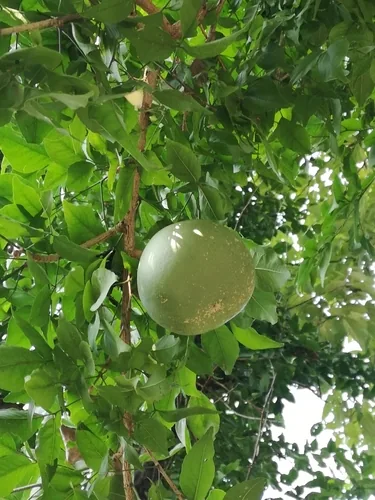
Bael fruit (Aegle marmelos) is a slow-growing, spiny-branched tree of South and Southeast Asian origin, now planted across humid subtropical and tropical belts for aromatic leaves, fragrant flowers, and hard-shelled fruit with fragrant, fibrous pulp used in drinks, jams, and traditional preparations. Mature trees may reach 30–40 feet (9–12 m) with trifoliate leaves and greenish-white blooms; the wood is durable and the canopy is evergreen to semi-evergreen depending on climate stress. In warm-climate food forests it is a long-game tree—plan spacing before thorns argue with paths. Full sun for reliable flowering and fruit set; young trees appreciate wind breaks. Deep, well-drained, fertile loam with steady moisture during push growth yields the best fruit size; drought after establishment reduces fruit load but mature trees endure lean seasons better than marketing brochures admit. Protect from hard freezes below roughly 28°F (-2°C) on small wood. Sow fresh seed promptly; desiccated seed loses viability. Bud or graft selected lines onto seedling rootstocks for uniform pulp quality. Air-layering works on established branches during warm, humid weather. Fruit matures on the tree over many months; collect when the rind shifts toward yellow-green and aroma builds for your selected culinary use. Pulp stains and fibers demand patient processing—batch your kitchen time.
Permaculture Functions
- Edible: Aegle marmelos woody shell hides fibrous aromatic pulp for sharbat and jam once traditional prep steps finish -- fruit hangs months on the tree, so kitchen batches scale with patience, not impulse.
- Medicinal: Dried unripe slices and leaf decoctions enter Ayurvedic protocols for gut calm and fever support -- rutaceous furanocoumarins mean sun-sensitivity and drug interaction checks belong in real consults.
- Shade Provider: Spiny scaffold casts evergreen shade over lemongrass and turmeric rows in tropical home yards -- lift skirt branches so mulch does not pack wet against the collar.
- Wildlife Attractor: Night-opening flowers draw hawkmoths while fallen ripe fruit feeds civets and insects overnight -- harvest drops if flies next to the porch are not your aesthetic.
- Ornamental: Trifoliate leaves and waxy white blooms read as temple-garden architecture -- thorns on juvenile wood mean paths and ladders get planned before trunks thicken into pincushions.
Companion Planting
- Thorns on young wood — plan paths and pruning access before trees mature into pincushions
Threats & Pressure