About
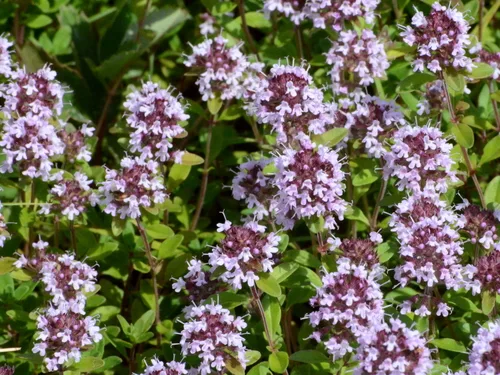
Lemon thyme (Thymus citriodorus) is a compact, lemon-scented herb valued for its aromatic foliage and small flowers that attract pollinators. It forms a low mound that can spread gently, typically 20–40 cm (8–16 in) tall depending on pruning and soil. In permaculture, it matters because it gives you a high-frequency herb harvest from the front edge of beds while acting as living mulch that shades soil and reduces evaporation. Full sun to partial shade; sun keeps stems compact and flavorful. Water lightly while establishing; once rooted it tolerates drought well. Prefers fast-draining, gritty or sandy loams; it dislikes persistent wet soil. Protect from winter wet more than winter cold in humid climates. Cuttings: take softwood or semi-hardwood cuttings in warm months and root under humidity (often 4–8 weeks). Seeds: direct-sow or start indoors; germination can be uneven, sometimes taking 2–6 weeks with steady moisture. Division: split clumps in spring for faster, true-to-type plants. Harvest leaves as needed once plants are established; cut stems lightly to encourage new growth. Harvest flowers when in full bloom for teas and infused oils. Dry gently in airflow if you want long storage.
Permaculture Functions
- Medicinal: Thymus citriodorus leaf tea carries thymol plus geranial and neral (citral isomers) that read lemon over pine -- same cautions as common thyme for thyroid meds and pediatric volumes; dry fast in thin layers or mold ruins the oil profile.
- Pollinator: Pale lilac-lipped flowers sit just above the mat in early summer, feeding small Halictid bees that work low thyme carpets when taller monarda is still in bud -- shear spent blooms if you hate self-sown thyme volunteers in path cracks.
- Ground Cover: Prostrate selections root along stems, forming six-inch (15 cm) mats that survive foot glances better than upright thyme -- plant on berms with sharp drainage because winter-wet crowns rot fast in clay pans.
Field Observations
- No field observations yet
Companion Planting